

Learn
Basement flooded? What to do in the first 24 hours
The order matters: safety, then water, then air, then the cause. A calm checklist for a wet basement, written by the people who do this work.
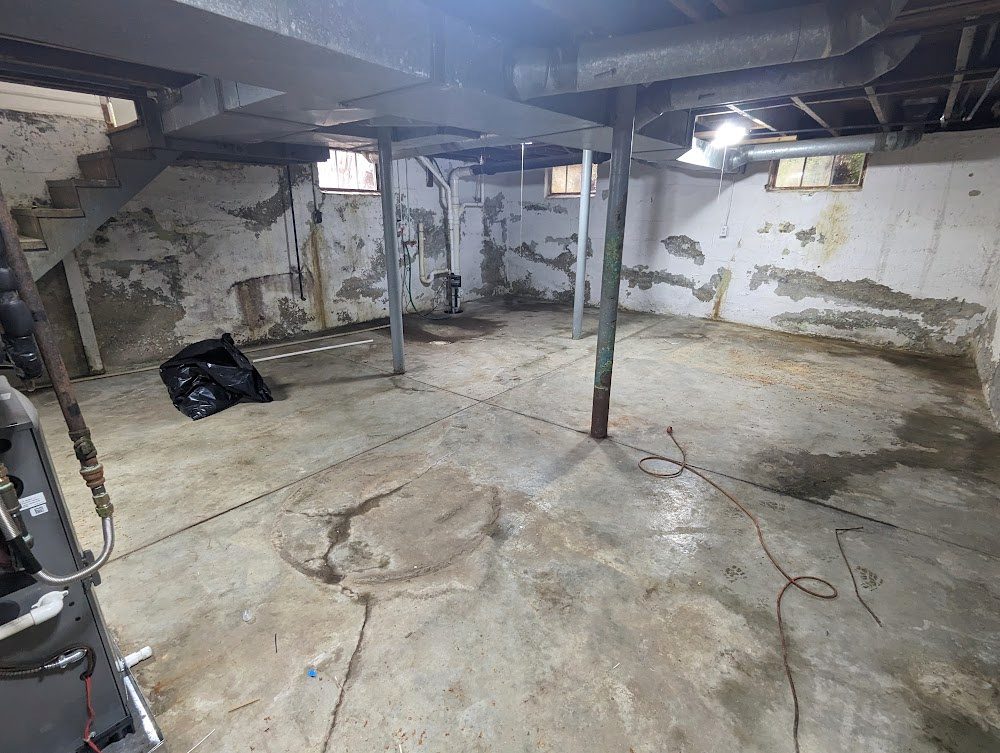
The short version
- Do not walk into standing water with the power on. Kill the breaker or call the utility first.
- Get the water out and the wet material out within a day or two; mold starts in 24 to 48 hours.
- Fans and dehumidifiers dry the air; they do not dry soaked drywall or carpet pad. Those come out.
- Photograph everything before you move it, and call your insurer if the cause might be covered.
Hour one: safety
- Electricity. If water is anywhere near outlets, cords, the furnace or the panel, do not step in it. Turn off the power at the main breaker if you can reach it dry, or call the utility to do it.
- Gas. If a water heater or furnace has been under water, shut its gas valve and do not relight it until it has been checked.
- Sewage. Gray or foul water from a floor drain is a sewer backup. Treat it as contaminated: gloves, boots, nothing porous saved.
- Photos. Before you move anything, photograph the water level, the source if you can see it, and every damaged item. This is for insurance and for the technician.
Hours two to twelve: water out
If the sump pump has failed or the power is out, a rented submersible pump or a wet vac gets the bulk out. Push water toward the floor drain or the sump. Once the standing water is gone, the clock that matters starts: mold begins to grow on wet material within 24 to 48 hours, and it does not wait for you to finish the insurance call.
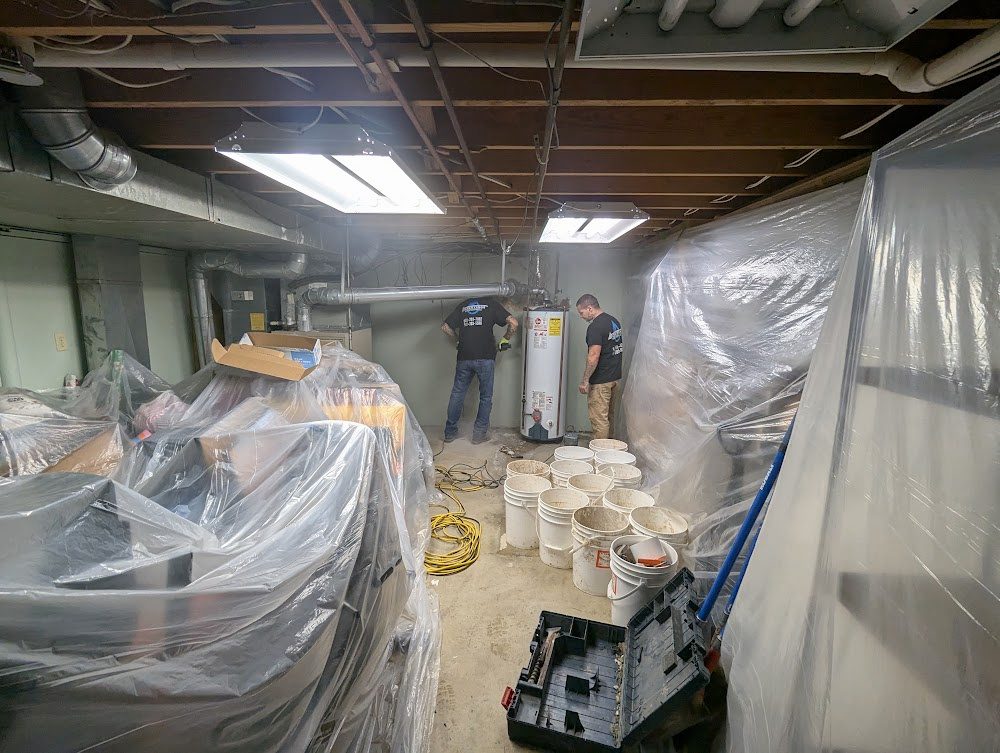
Take out what is soaked and cannot be dried in place: carpet and pad, cardboard, particleboard furniture, the bottom foot or two of drywall if it wicked water, wet insulation. Move what can be saved up and out of the room. Bag the rest and get it outside.
Day one: air moving, humidity down
Open the space up, run every fan you can point at the wet surfaces, and run a dehumidifier with the windows closed (an open window in a Louisville summer lets more moisture in than out). Fans and dehumidifiers dry hard surfaces and framing; they do not dry a soaked carpet pad or the inside of a wall. If you are not sure whether the wall cavity got wet, a moisture meter settles it, and that is part of what a water mitigation crew brings.
Day two: find the cause
Where the water came from decides what happens next.
- Inside the house (a burst pipe, a failed water heater, a washing machine hose): a plumber fixes the source, the basement gets dried and rebuilt, and this is often a covered insurance loss.
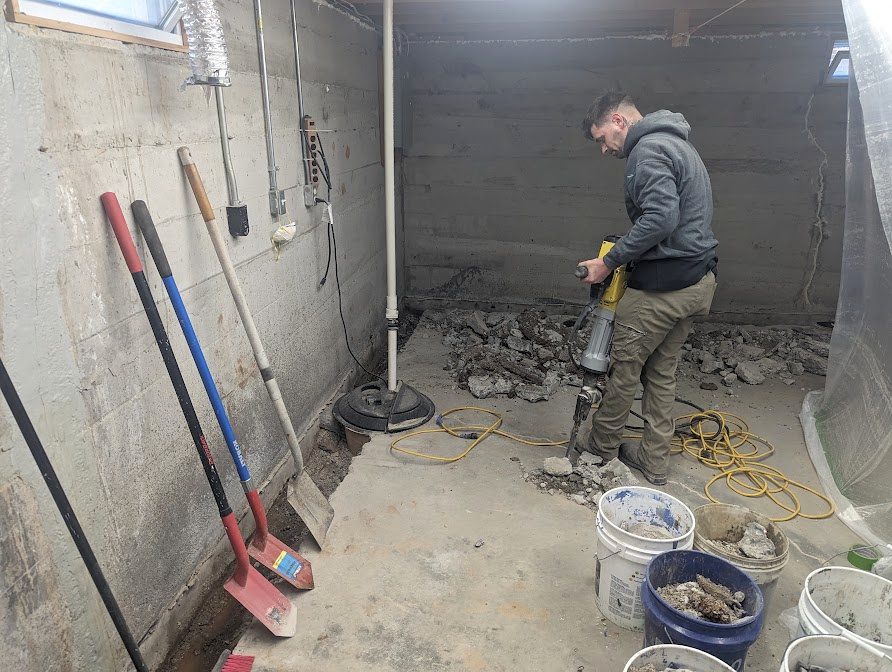
- Through the walls or floor (seeping at the cove where the floor meets the wall, weeping through block, a crack): groundwater. This is a basement waterproofing problem, it will repeat, and it is usually not covered by a standard policy.
- Sump failure: the pump died, the float stuck, or the power went out. Replace the pump and add a battery backup before the next storm.
- Surface water (through a window well, under a door, from a downspout dumping at the foundation): grading and drainage outside the house.
What not to do
- Do not paint over stained block with a waterproofing paint and call it fixed. Water behind the paint pushes it off within a season.
- Do not run the furnace fan to dry the basement if the ductwork got wet.
- Do not put the carpet back before the slab is dry. A moisture meter or a taped square of plastic left overnight tells you.
- Do not wait a week for the adjuster before removing wet material. Photograph it, bag it, keep a list.
Insurance, briefly
Sudden, accidental water from inside the house is often covered. Groundwater seepage and surface flooding usually are not, unless you carry flood insurance or a water backup endorsement. Call the company the same day either way; we cover the details in does homeowners insurance cover basement water damage.
Keep reading
More from the crew
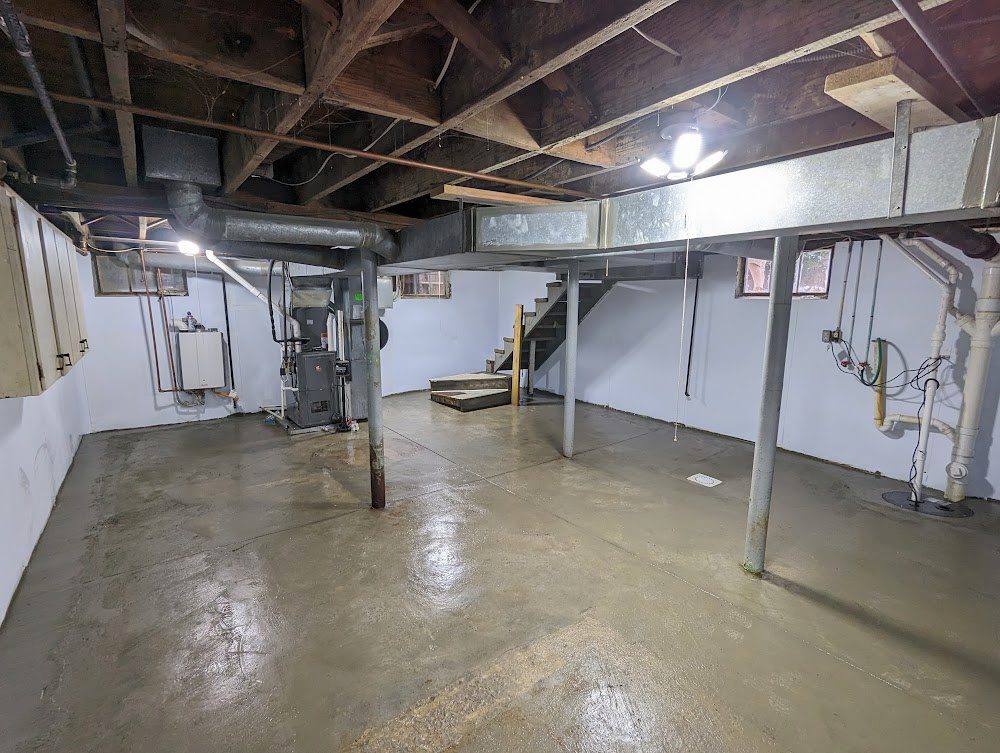
Does homeowners insurance cover basement or crawl space water damage?
Sudden water from inside the house is usually covered; groundwater seepage, flooding and sump failures usually are not without an endorsement. What Louisville homeowners should know before they file.
Read the article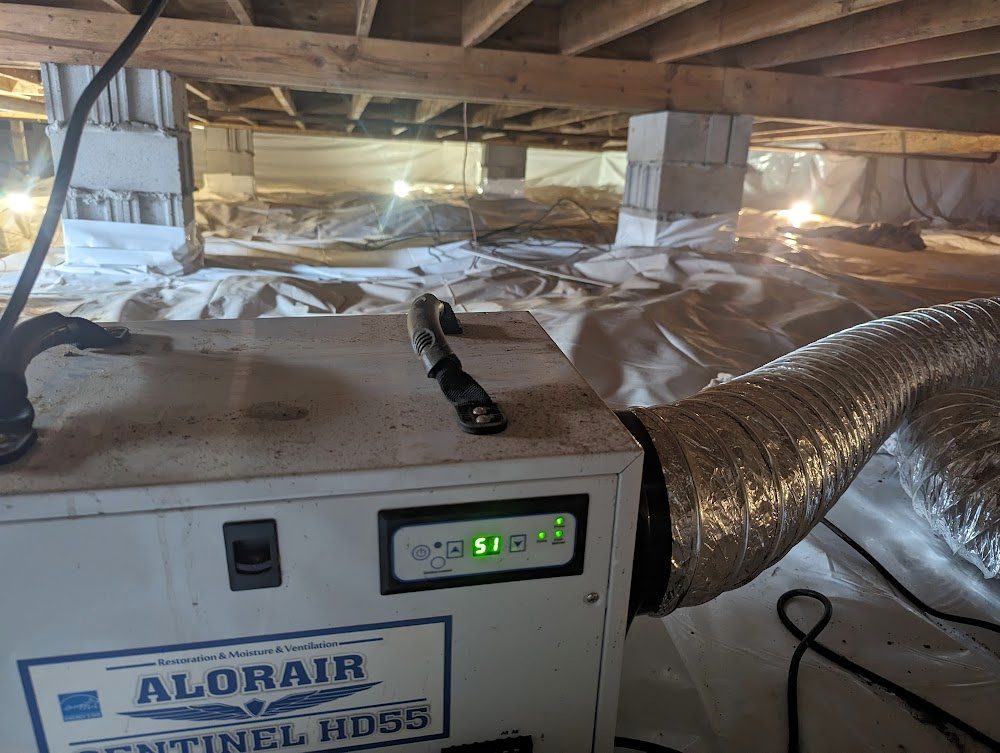
What humidity should a crawl space be?
Keep a crawl space under 60% humidity. Why Louisville crawl spaces run wet every summer and the fix in order: water, ground, vents, then the dehumidifier.
Read the article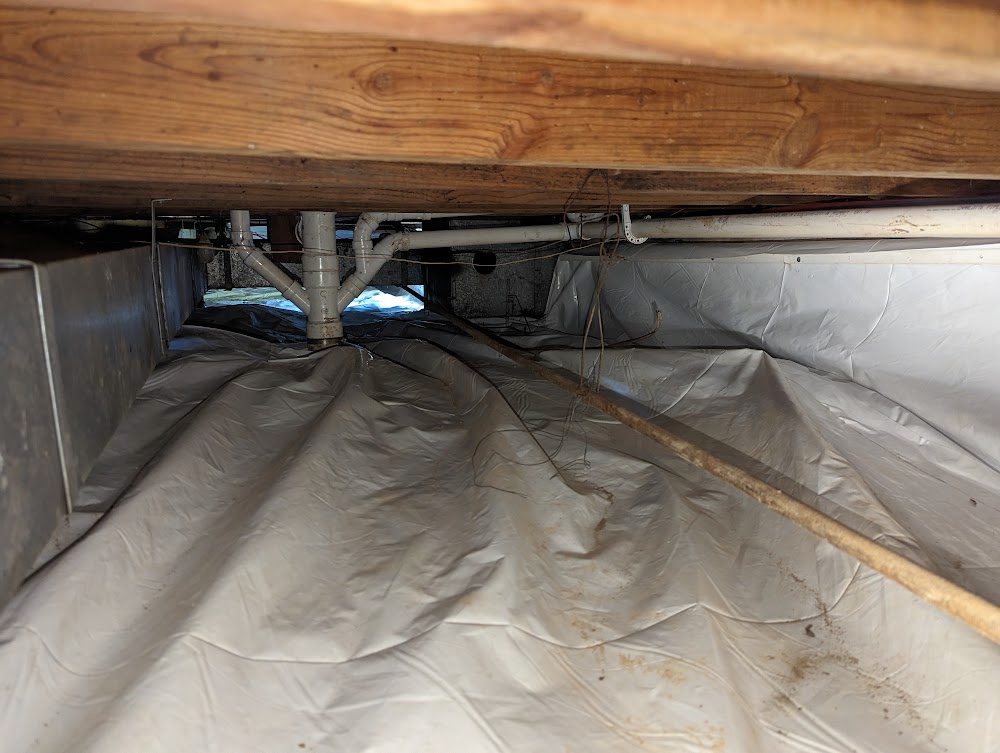
Crawl space encapsulation vs. vapor barrier
A vapor barrier covers the floor; an encapsulation seals the whole crawl space and adds a dehumidifier. How to tell which your Louisville crawl space needs, and why drainage comes first.
Read the articleQuestions
Asked about this
Still have a question? Call the office, Monday to Saturday, 9:00 AM to 5:00 PM.
How long does it take for mold to grow after a basement floods?
Mold can start on wet drywall, carpet pad and wood within 24 to 48 hours. That is why wet material comes out on day one, before the insurance visit if necessary; photograph it first.
Can I dry a flooded basement myself?
Often, if the water was clean, the amount was small and you get the wet material out and the air moving within a day. Sewage, a lot of water, or wet wall cavities and ductwork are jobs for a mitigation crew with extraction and drying equipment and a moisture meter.
Should I call a plumber or a waterproofer?
If the water came from a pipe, appliance or drain inside the house, a plumber. If it came through the walls, the floor, a crack or the sump, a waterproofing company. If you are not sure, the pattern on the floor and walls usually tells us at the inspection.
Will my basement flood again?
If the cause was groundwater or surface water and nothing about the drainage changed, yes, on the next comparable storm. Fixing the cause is the only thing that changes that answer.
Related services
What we do about it
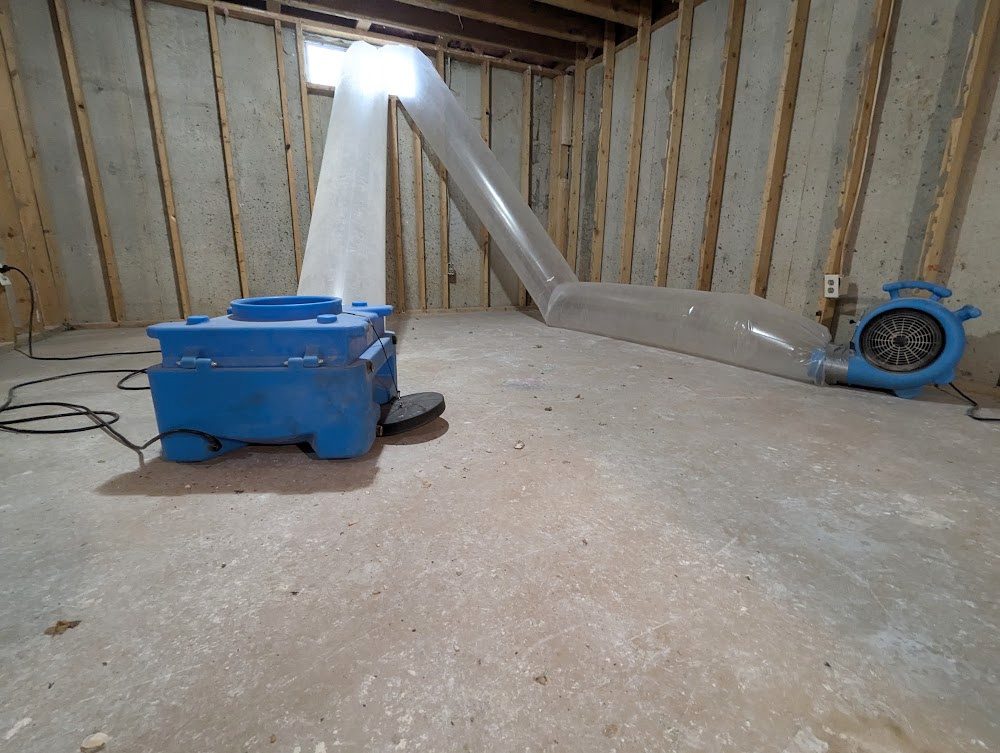
Water Mitigation and Dry-Out
Fast extraction and drying after a flood or leak, then the repair that stops a repeat.
Learn more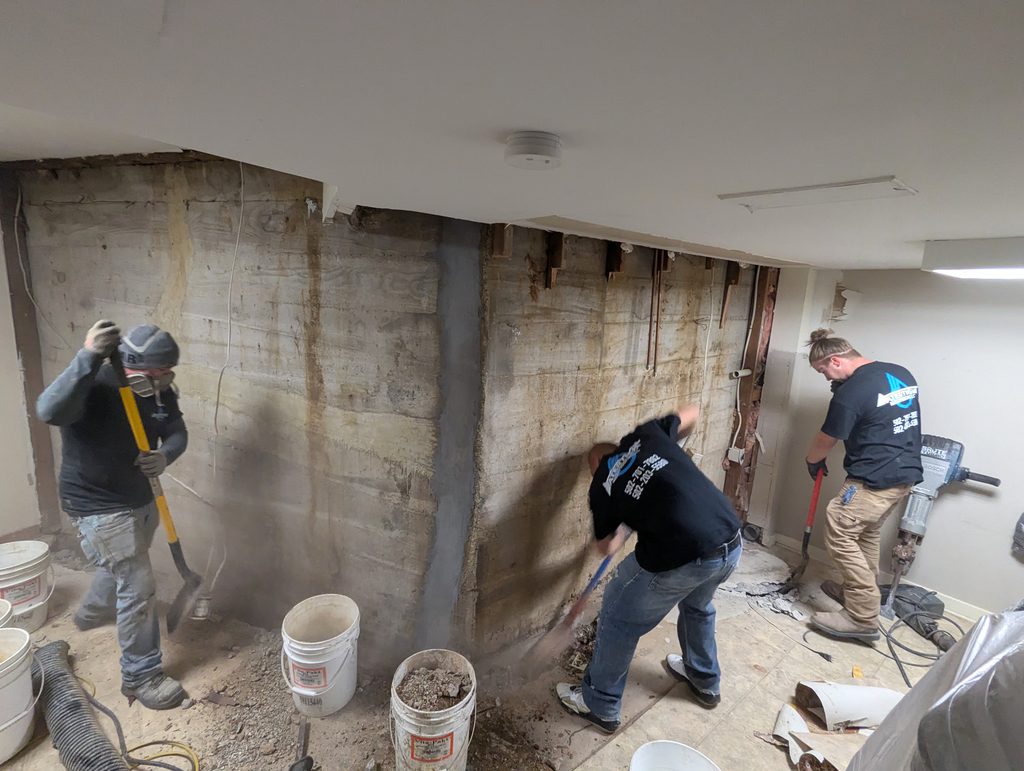
Basement Waterproofing
Interior drainage, sealed walls and a sump that carry the water out after heavy rain.
Learn more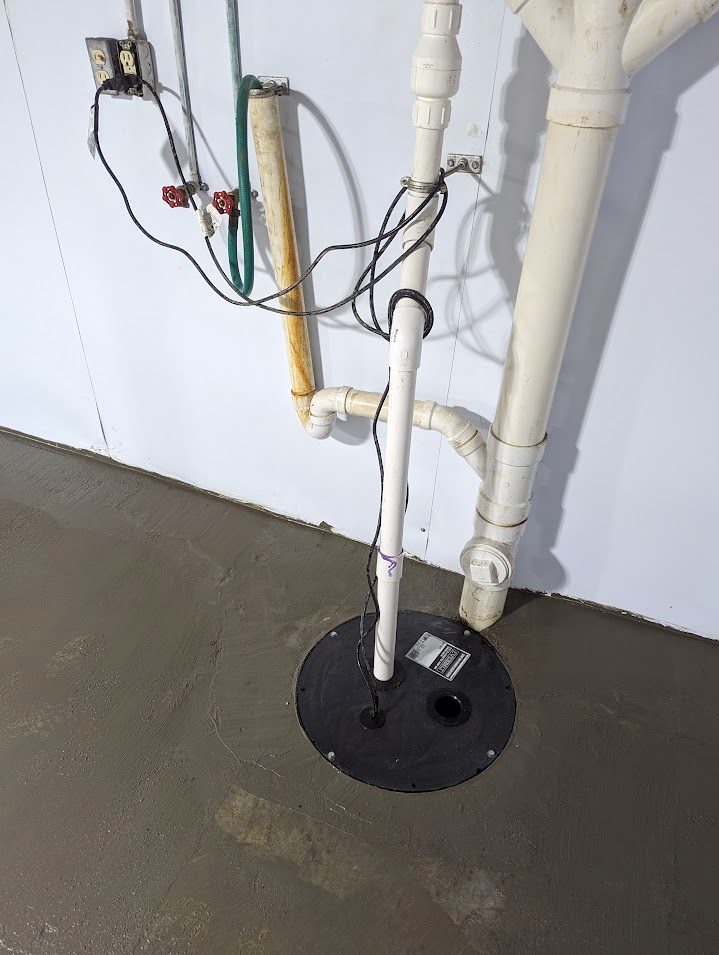
Sump Pump Installation and Replacement
Sealed basins, quality pumps, battery backup: the last line of defense, done right.
Learn moreFree estimate
Want a technician to look?
Tell us what you are seeing. A technician calls back during business hours and books a time to come out. Free, no obligation, written price.
- Photos and a plain explanation of the cause
- Written scope and price
- Lifetime transferable warranty on our work