
Learn
Crawl space encapsulation vs. a vapor barrier: what is the difference, and which one do you need?
They use similar plastic and get quoted for very different money. Here is what each one actually does under a Louisville house, and how to tell which one your crawl space is asking for.
The short version
- A vapor barrier covers the floor. An encapsulation seals the whole space: floor, walls, piers, vents, plus a dehumidifier.
- A vapor barrier is the right answer for a dry crawl space that just needs the ground vapor stopped.
- If there is standing water, mold, high humidity or rotten insulation, a vapor barrier alone will not fix it.
- Drainage always comes first. A liner over a puddle is a pond with a lid.
The two jobs, plainly
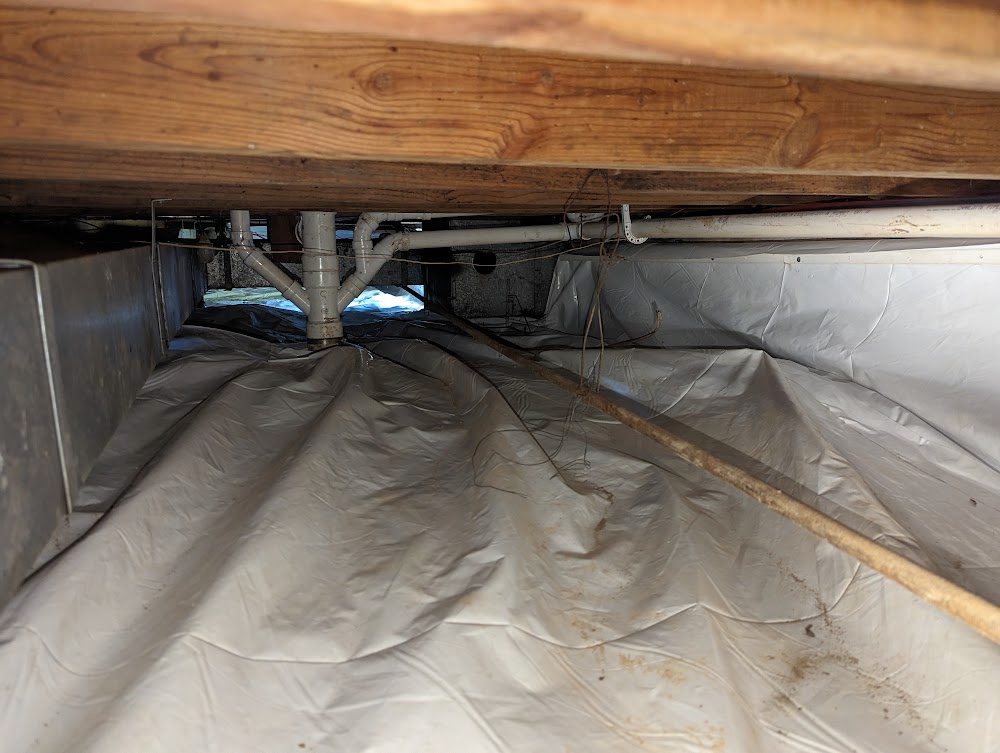
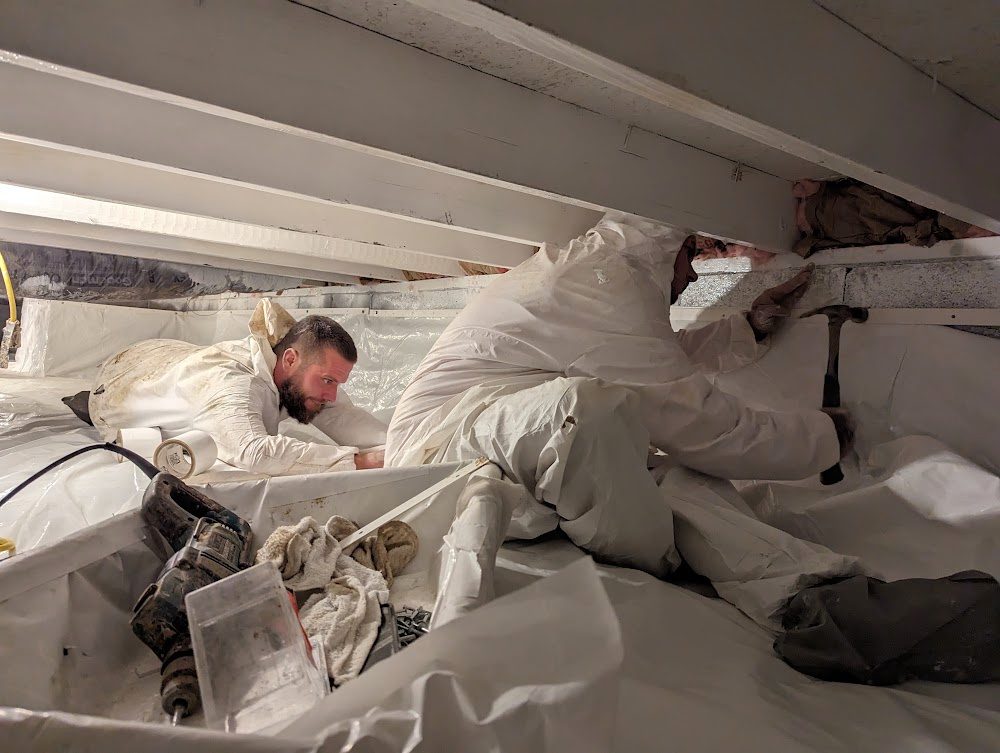
A vapor barrier is a sheet of heavy polyethylene laid over the dirt floor of the crawl space, overlapped and taped at the seams, and usually run a short way up the foundation wall. Its one job is to stop ground moisture rising into the air under the house. It leaves the vents open and the walls bare.
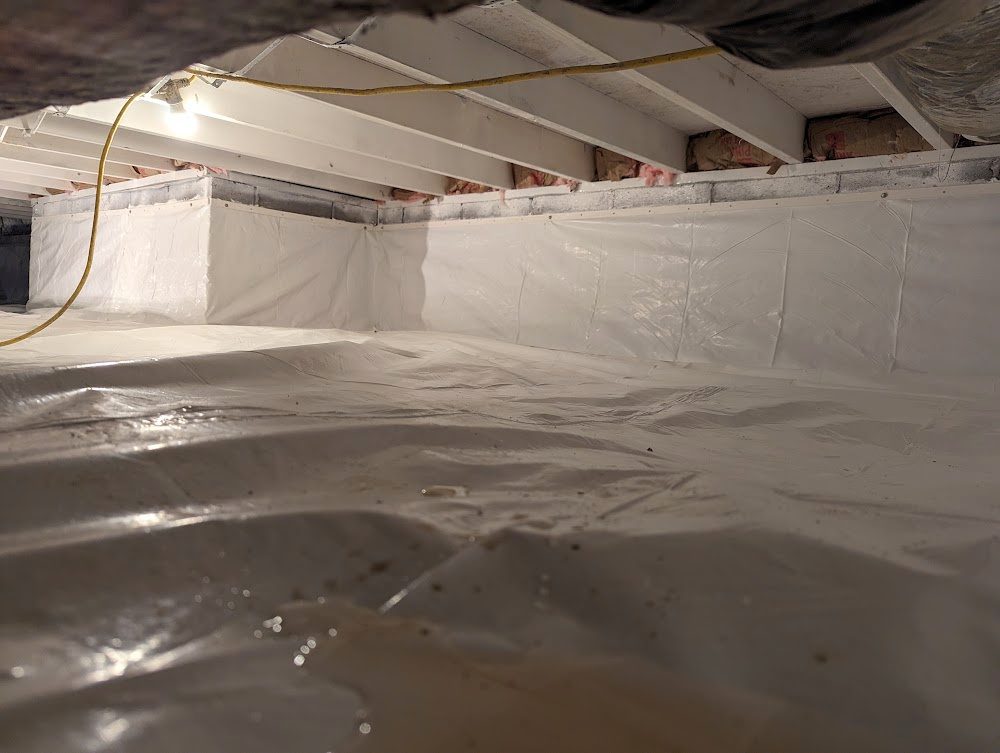
A crawl space encapsulation is the same idea taken all the way: a heavier reinforced liner across the floor and up the walls to near the sill, wrapped around every pier, sealed at every seam and penetration, with the foundation vents closed and sealed, and a dehumidifier sized to the space and plumbed to a drain. The crawl space becomes a sealed, dry box instead of a damp cave that happens to have plastic on the floor.
Why the price is so different
An encapsulation uses several times the material, most of it on the walls, and it comes with the labor of sealing every pier, pipe and vent, plus the dehumidifier and its drain. The cost guide has typical Louisville ranges for both. The honest comparison is not price against price; it is what problem you are trying to solve.
When a vapor barrier is enough
- The crawl space is dry after heavy rain. No standing water, no wet spots against the wall.
- The wood is clean. No visible mold, no soft joists, insulation still in place and dry.
- The smell upstairs is faint or absent and the summer humidity reading under the house is only a little high.
- You want to stop ground moisture cheaply and do the rest later.
In that house a well-installed vapor barrier is honest work and a real improvement. We install them, and we will tell you when that is all you need.
When you need the whole encapsulation
- Standing water under the house after rain, or a sump that already exists and runs.
- Mold on the joists or subfloor, or insulation that has sagged and fallen.
- Humidity readings above 60% for most of the summer, or a musty smell you notice every time you walk in the front door.
- Cold floors in winter and sticky air in summer, which means the crawl space air is your indoor air.
- Ductwork sweating in the crawl space, or a furnace and water heater down there that keep rusting.
A vapor barrier in that crawl space treats one of five sources of moisture. The walls still breathe, the vents still bring in July, and the dehumidifier nobody installed never runs. Within a season it looks like it did before, with plastic on the floor.
Drainage first, every time
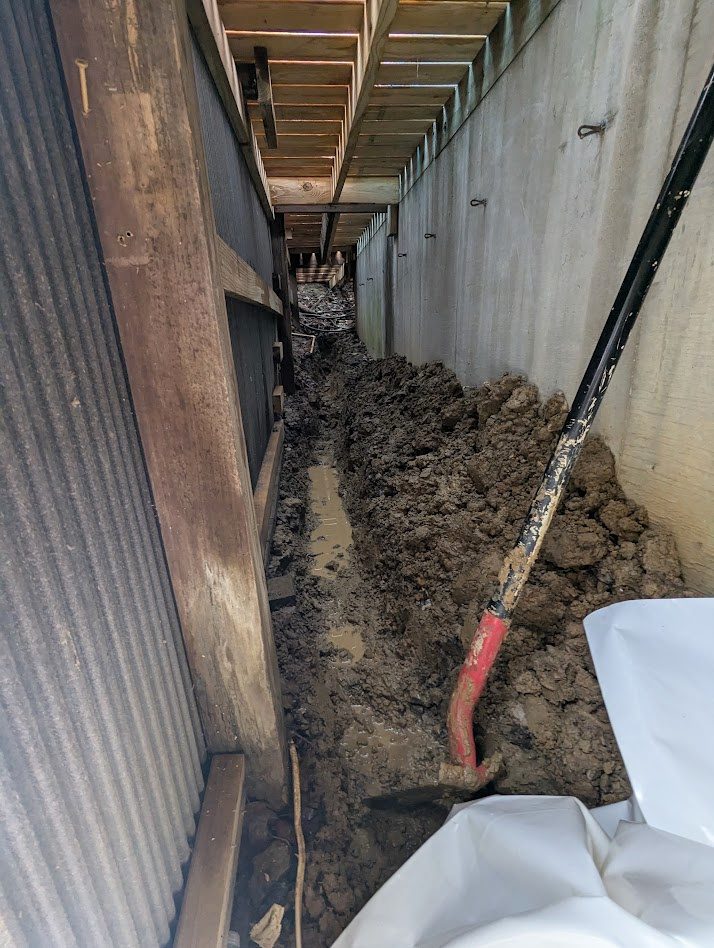
Neither job starts on wet ground. If water collects under the house, a perimeter drain to a sealed sump goes in before the liner, so the water has somewhere to go that is not on top of the plastic. A liner laid over a puddle is a pond with a lid, and it will find its way out at the seams. On a job with water present, drainage is the first line of the estimate.
What “reconditioning” means, since you will hear it
Older Louisville crawl spaces often need more than a liner: old plastic and debris out, soaked insulation removed, mold treated, a repair or two to a joist that has gone soft. That cleanout-and-repair work is crawl space reconditioning, and it usually happens on the same job as an encapsulation. It is why two quotes for “encapsulation” can differ so much: one includes making the space right first, and one does not.
A simple way to decide
Ask one question: is the crawl space dry and clean today, and I want to keep it that way? Vapor barrier. Is it wet, moldy or smelly today, and I want that to stop? Encapsulation, with drainage if there is water. Everything else is detail the technician can settle at the inspection.
Keep reading
More from the crew
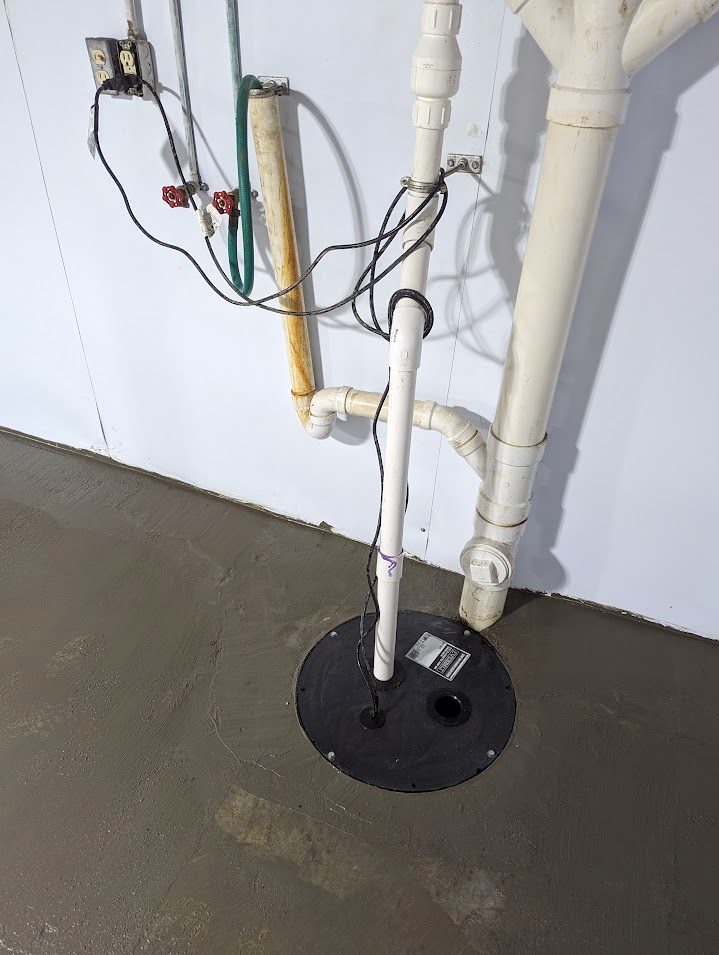
Why your sump pump keeps running
A sump pump that cycles after heavy rain is normal in Louisville. One that runs on dry ground usually means a bad discharge line, a failed check valve, a stuck float or a worn pump. How to check each.
Read the article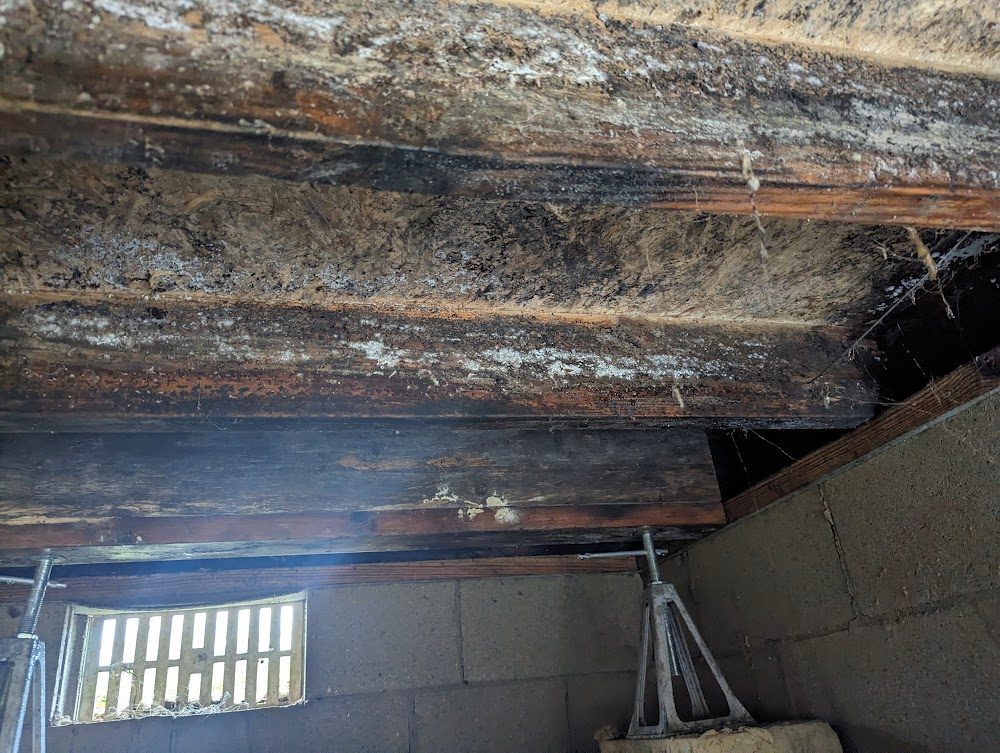
Should you close crawl space vents in winter in Kentucky?
Close crawl space vents in winter to protect pipes and floors; opening them in summer lets humid air in. Why sealing them for good, with a liner and dehumidifier, is the Kentucky answer.
Read the article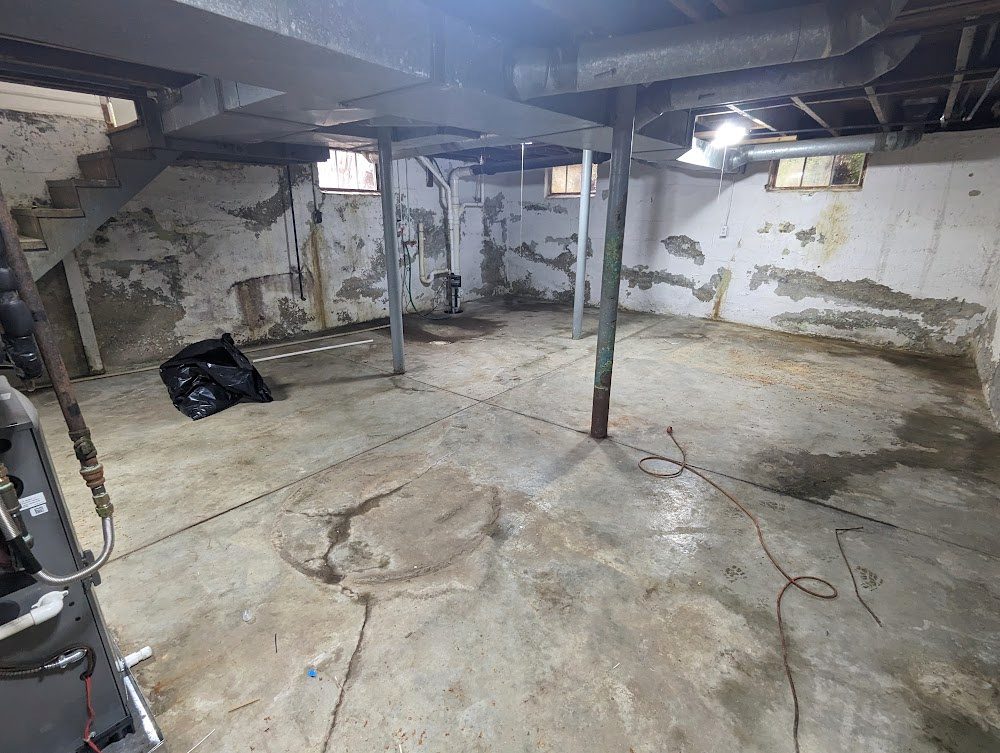
Basement flooded? What to do in the first 24 hours
Power off, water out, wet material out within a day, then find the cause. A calm first-24-hours checklist for a flooded Louisville basement, including what not to do.
Read the articleQuestions
Asked about this
Still have a question? Call the office, Monday to Saturday, 9:00 AM to 5:00 PM.
Is a vapor barrier the same as encapsulation?
No. A vapor barrier covers the floor and stops ground moisture. An encapsulation seals the floor, walls, piers and vents and adds a dehumidifier, so the whole space stays dry. Every encapsulation includes a vapor barrier; a vapor barrier on its own is a much smaller job.
Can I encapsulate a crawl space that gets water?
Yes, after the water is handled. A perimeter drain and a sealed sump go in first so the liner never sits over standing water. Skipping that step is how encapsulations fail.
Do I still need a dehumidifier after encapsulation?
Yes. The liner and sealed vents stop most of the moisture, and the dehumidifier removes what is left and holds the space at about 50%. Without it a sealed crawl space can trap humidity instead of shedding it.
How long does each take?
A vapor barrier in an average crawl space is usually a day. An encapsulation, including drainage and a dehumidifier, is typically one to three days depending on the size and what has to come out first.
Related services
What we do about it
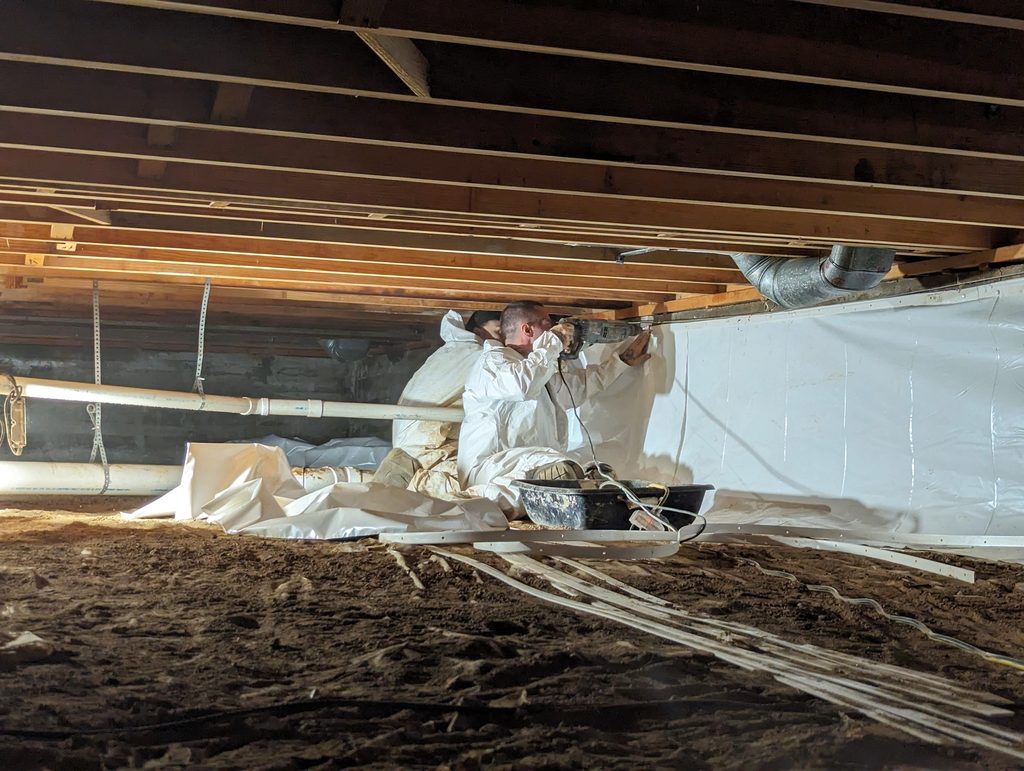
Crawl Space Vapor Barrier
Heavy-duty liner that stops ground moisture rising into the house.
Learn more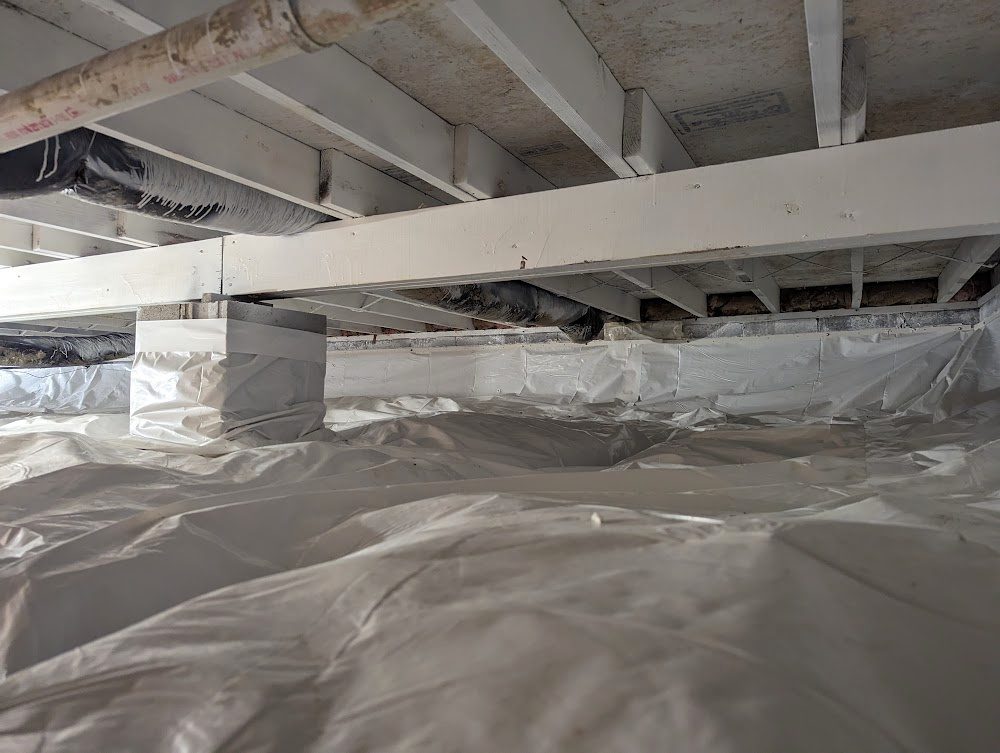
Crawl Space Encapsulation
Seal the crawl space off from ground moisture for good: liner, sealed vents, dehumidifier.
Learn more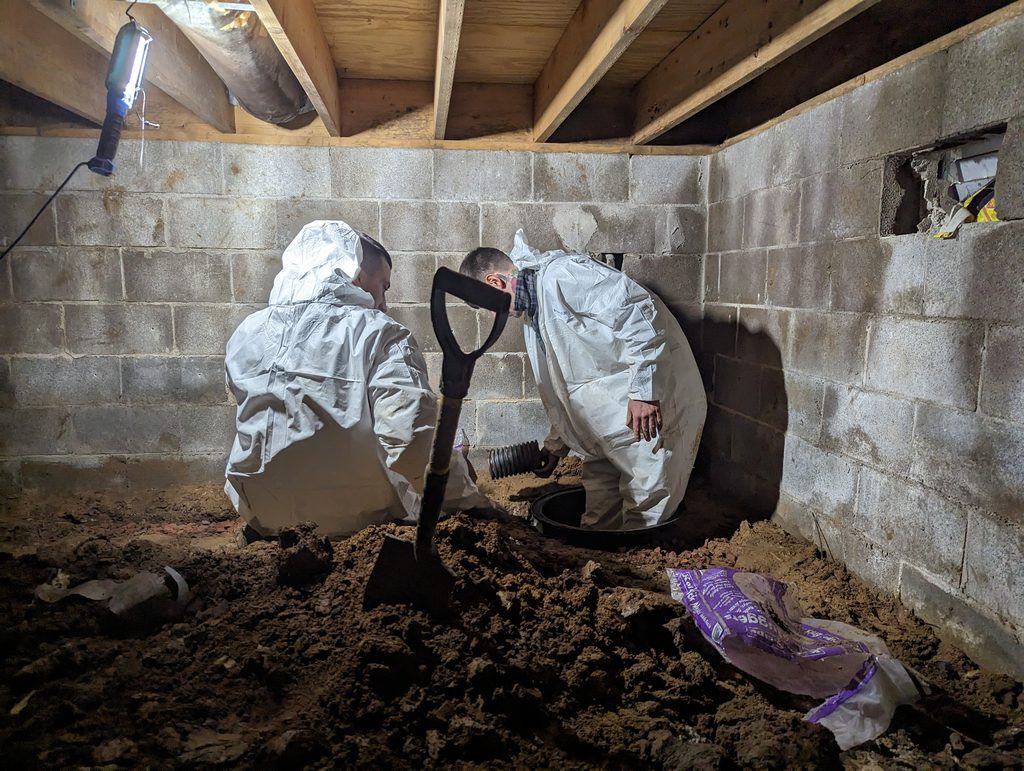
Crawl Space Reconditioning
The job we do most. Everything below the floor made right: cleanout, moisture control, insulation, repairs.
Learn moreFree estimate
Want a technician to look?
Tell us what you are seeing. A technician calls back during business hours and books a time to come out. Free, no obligation, written price.
- Photos and a plain explanation of the cause
- Written scope and price
- Lifetime transferable warranty on our work