

Learn
What humidity should a crawl space be, and what to do when it is higher
The number, why Louisville crawl spaces blow past it every summer, and the order to fix it in: stop the water first, then the air.
The short version
- Keep a crawl space under about 60% relative humidity; 50 to 55% is the comfortable target.
- Above 60% for long stretches, mold grows on the joists and wet insulation sags and falls.
- A dehumidifier alone in a vented crawl space is fighting the whole outdoors. Seal the ground and the vents first.
- Fix standing water and drainage before anything else; no dehumidifier dries a puddle.
The number
Wood starts to grow mold when the relative humidity around it sits above roughly 60% for days at a time, and at 70% and up the timber itself begins to take on enough moisture to soften and, eventually, rot. So the target for the air under a house is below 60% relative humidity, year round, and a well-sealed crawl space with a dehumidifier will hold 50 to 55% without effort.
A cheap hygrometer from a hardware store, left on a joist for a week in July, tells you where you stand. Read it in the evening, not the morning, and take the highest reading, not the average. The joists do not care about the average.
Why Louisville crawl spaces are worse than most
Two things work against a crawl space here. The first is the ground: Louisville sits on heavy clay over limestone, and clay holds water against a foundation for days after every storm. Ground moisture rises out of bare dirt as vapor around the clock, and a crawl space with an open dirt floor is standing on a wet sponge.
The second is the summer air. From May to September the outdoor dew point in the Ohio Valley runs in the upper 60s and low 70s. Open foundation vents pull that air under the house, where the ductwork and the ground are cooler, and the moisture condenses on the coldest surfaces first: metal ducts, water lines, then the wood. That is why a “ventilated” crawl space is often wetter than a sealed one. The vents were designed for a drier climate.
What high humidity does, in order
- Smell. The musty smell upstairs is crawl space air. A large share of the air in the living space rises from below through gaps around pipes, ducts and the subfloor.
- Insulation. Fiberglass batts soak up moisture, sag, and fall out of the joist bays. Wet insulation is worse than none; it holds water against the wood.
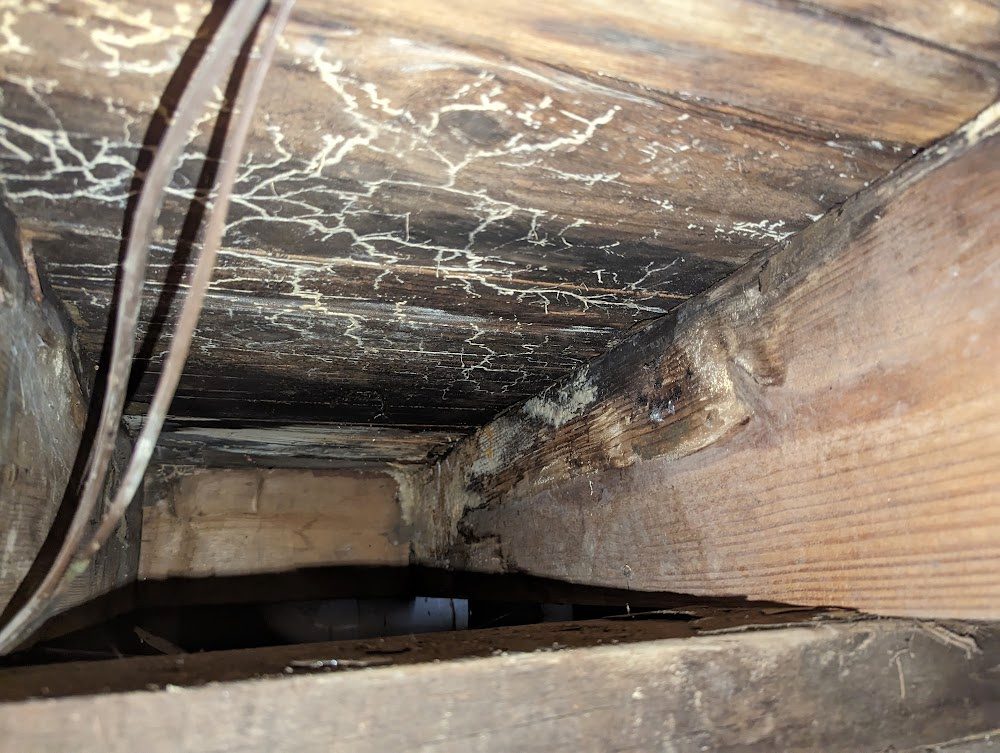
- Mold. White, green or black growth on the joists and subfloor. It starts at the coldest, dampest corner and spreads.
- Wood. Softened joists, sagging floors above, sticking doors. This is the expensive stage.
The fix, in the right order
Homeowners often buy a dehumidifier first because it is the easy purchase. In a vented crawl space over bare dirt it runs constantly, fills a bucket a day and barely moves the number, because it is trying to dry the outdoors and the ground at once. The order that works:
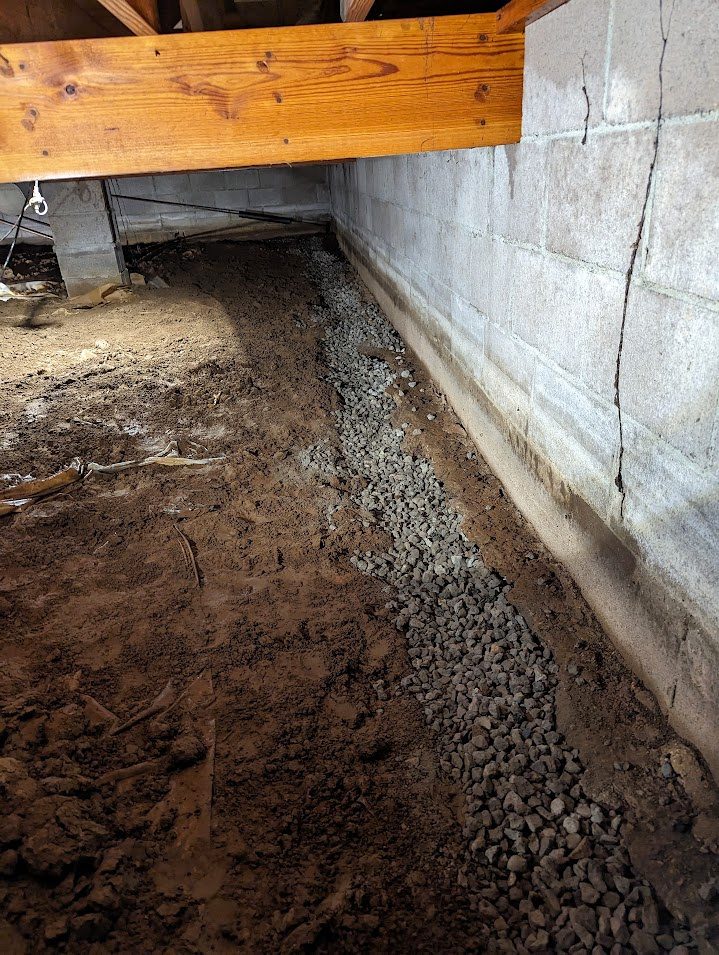
- Water. If water collects under the house after rain, that is a drainage problem, not a humidity problem. A perimeter drain and a sealed sump come first.
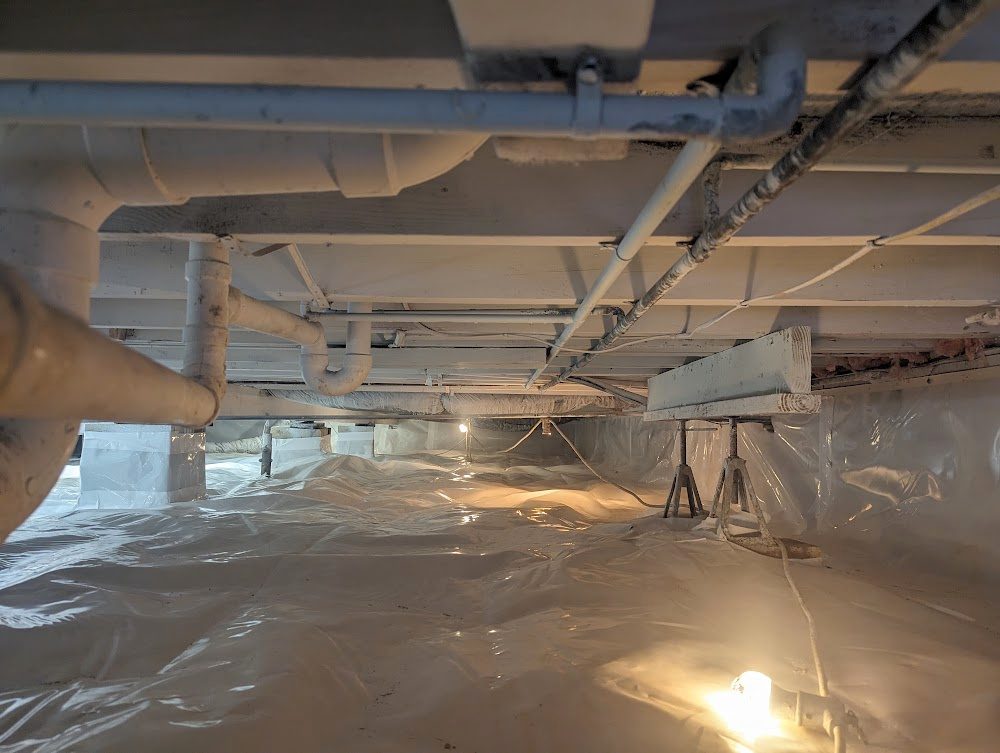
- Ground. A heavy liner across the whole floor and up the walls, seams taped, stops the ground vapor. This is the single biggest change.
- Air. Seal the vents and the gaps so summer air stops coming in.
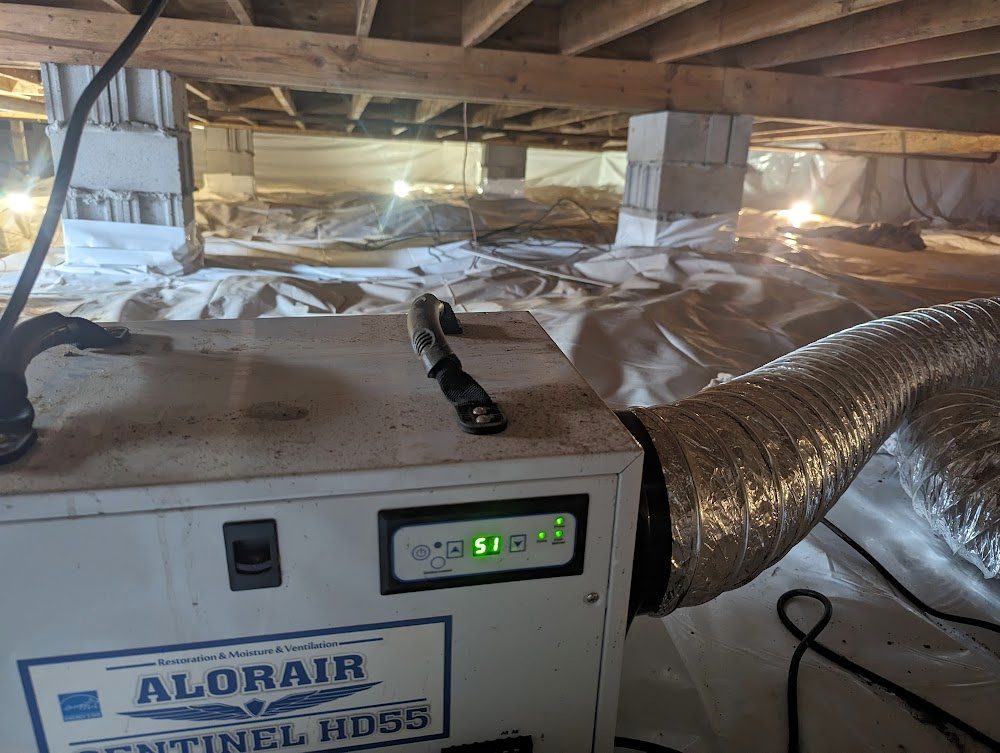
- Dehumidifier. Now a properly sized unit, plumbed to drain and set to about 50%, holds the space dry with very little running time.
That sequence is a crawl space encapsulation. The dehumidifier is the last step of it, not a substitute for it.
What about the winter?
Cold outdoor air holds less moisture, so winter humidity under the house drops on its own. The problem season is late spring through early fall. A sealed crawl space stays steady all year; a vented one swings from too wet in July to dry and cold in January, and the joists move with it. Steady is what the wood wants.
A note on “conditioned” crawl spaces
Some builders condition a sealed crawl space by pushing a little supply air from the furnace into it instead of using a dehumidifier. It works when the system is designed for it. In an older Louisville house that was never built that way, a dedicated dehumidifier with its own drain is the simpler and more reliable choice, and it does not depend on the furnace running.
Keep reading
More from the crew
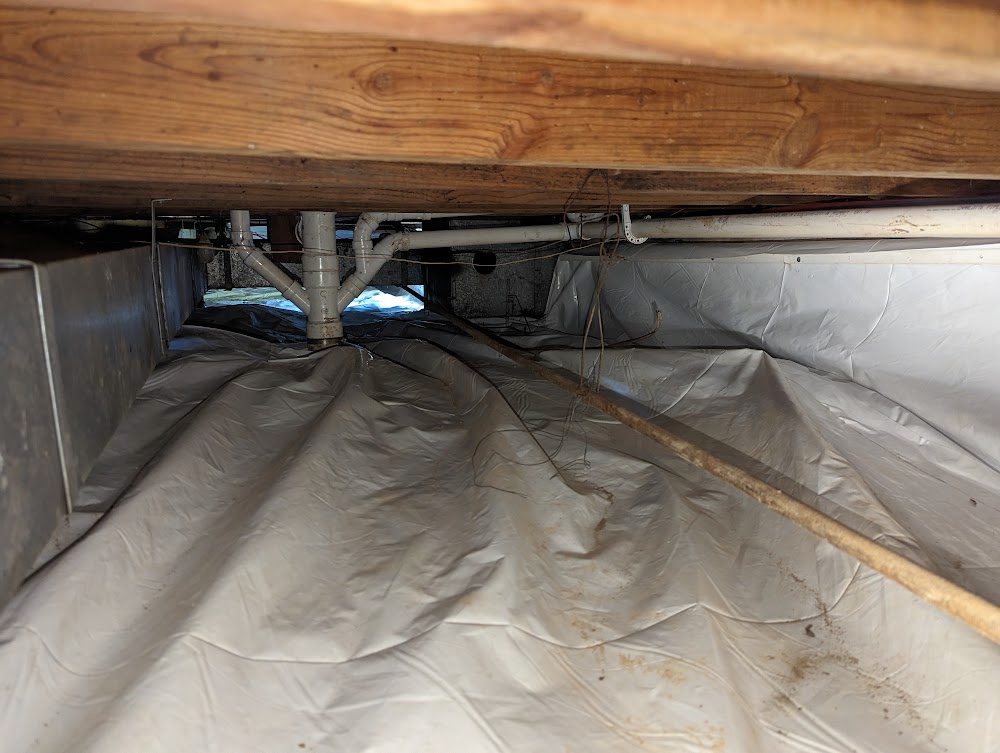
Crawl space encapsulation vs. vapor barrier
A vapor barrier covers the floor; an encapsulation seals the whole crawl space and adds a dehumidifier. How to tell which your Louisville crawl space needs, and why drainage comes first.
Read the article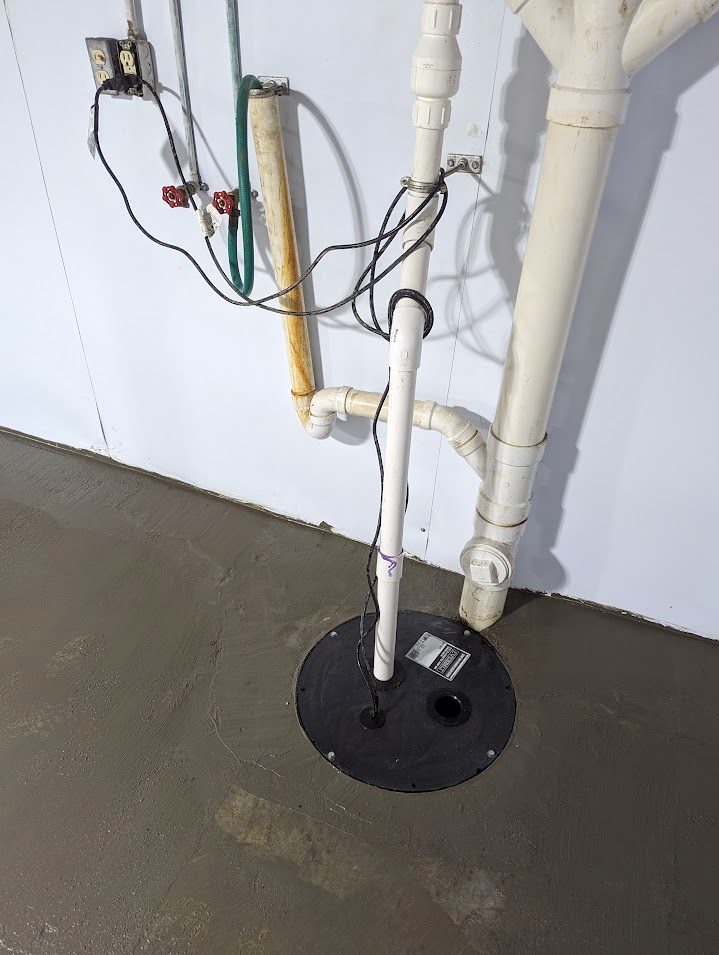
Why your sump pump keeps running
A sump pump that cycles after heavy rain is normal in Louisville. One that runs on dry ground usually means a bad discharge line, a failed check valve, a stuck float or a worn pump. How to check each.
Read the article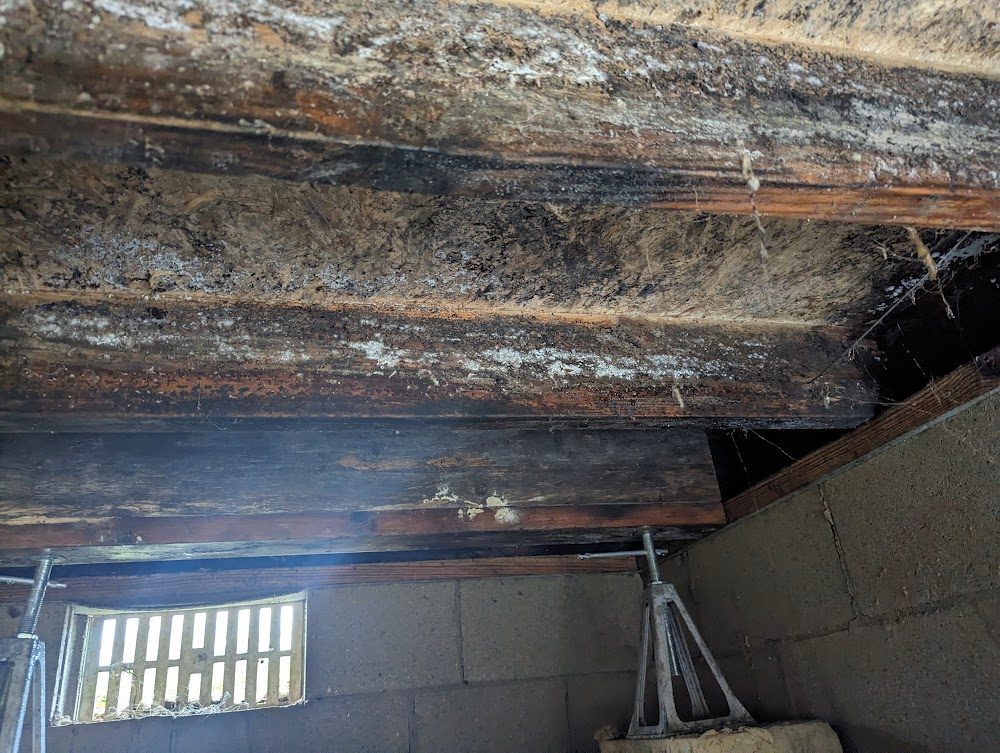
Should you close crawl space vents in winter in Kentucky?
Close crawl space vents in winter to protect pipes and floors; opening them in summer lets humid air in. Why sealing them for good, with a liner and dehumidifier, is the Kentucky answer.
Read the articleQuestions
Asked about this
Still have a question? Call the office, Monday to Saturday, 9:00 AM to 5:00 PM.
Is 65% humidity in a crawl space bad?
Yes, if it stays there. A day or two after a storm is normal; weeks at 65% is enough for mold to start on the joists. Aim for under 60% and treat 50 to 55% as the comfortable range.
Will a dehumidifier fix a wet crawl space?
Not on its own. In a vented crawl space over bare dirt it fights the ground and the outdoor air at once and never catches up. Stop the water, seal the ground and the vents, then size the dehumidifier to hold the result.
What size dehumidifier does a crawl space need?
It depends on the square footage, the ceiling height and how well the space is sealed. Commercial crawl space units are rated in pints per day and sized to the volume of air; a sealed 1,500 square foot crawl space in Louisville typically needs a 70 pint class unit or larger, plumbed to a drain rather than a bucket.
How do I measure crawl space humidity?
Put a battery hygrometer on a joist near the middle of the space and read it in the evening for a week in summer. Take the highest reading. Under 60% is fine; above it, look for the cause before buying equipment.
Related services
What we do about it
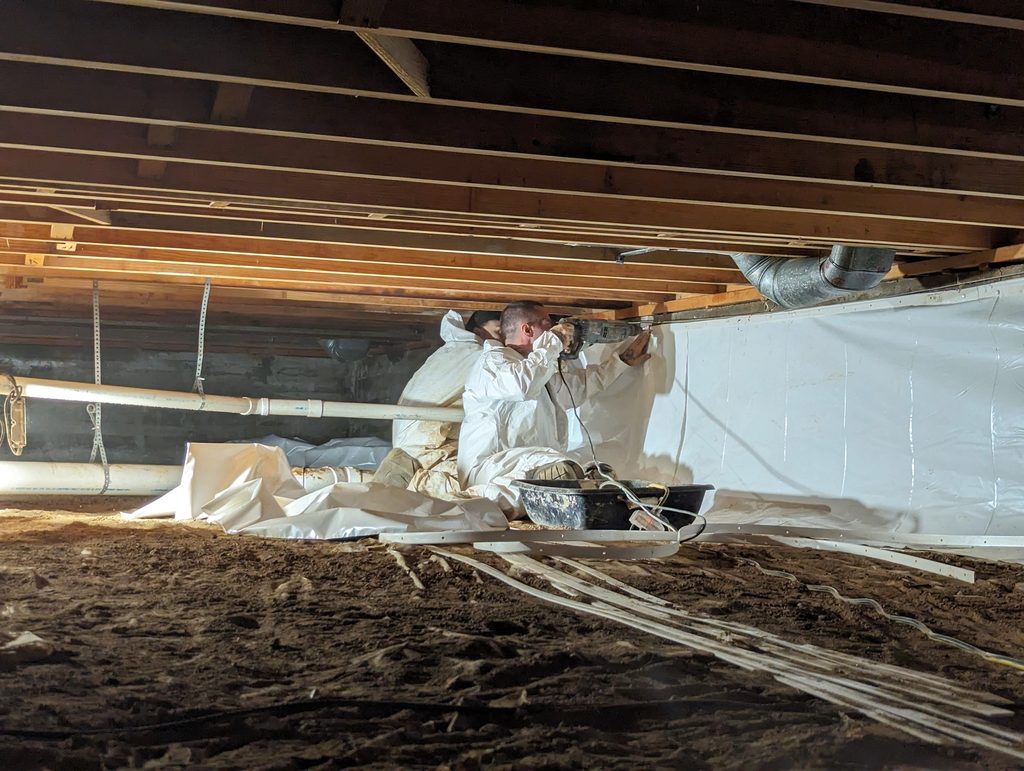
Crawl Space Dehumidifier Installation
Commercial-grade dehumidifiers sized to the space, installed and drained properly.
Learn more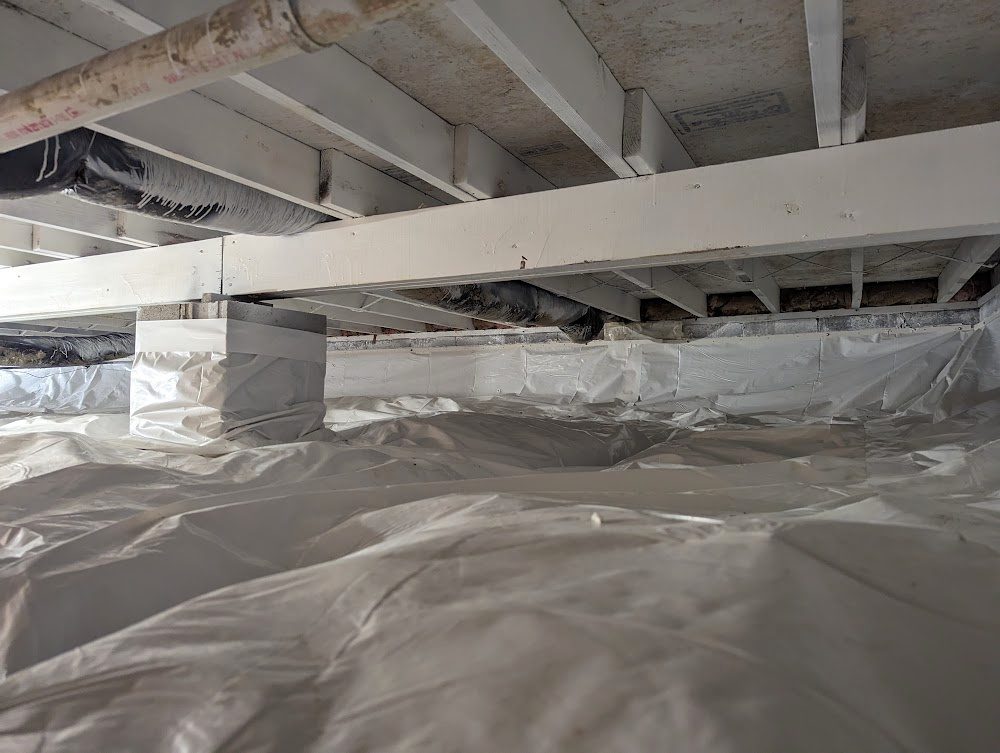
Crawl Space Encapsulation
Seal the crawl space off from ground moisture for good: liner, sealed vents, dehumidifier.
Learn more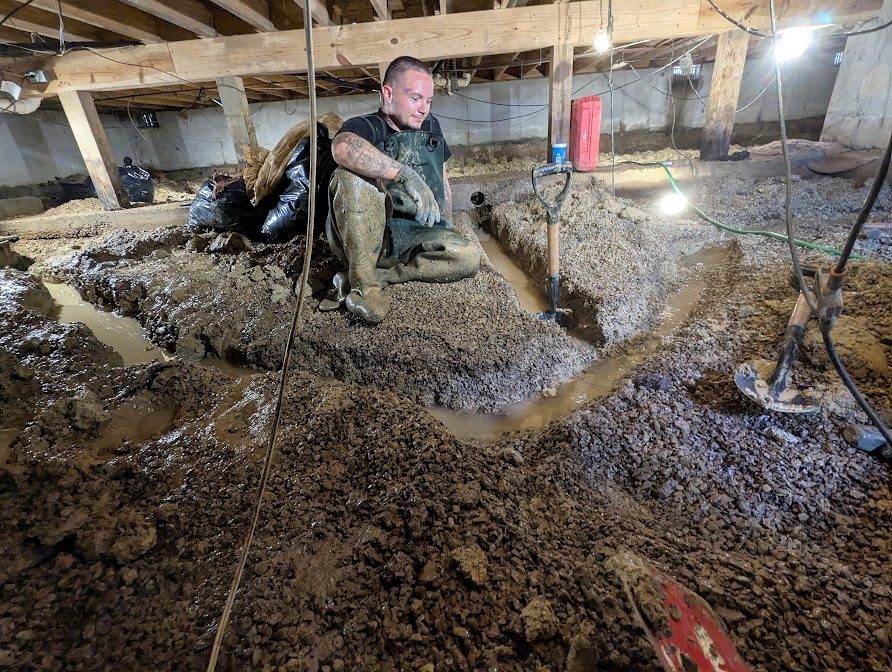
Crawl Space Waterproofing
Drainage and a sump under the house, so standing water never collects again.
Learn moreFree estimate
Want a technician to look?
Tell us what you are seeing. A technician calls back during business hours and books a time to come out. Free, no obligation, written price.
- Photos and a plain explanation of the cause
- Written scope and price
- Lifetime transferable warranty on our work