

Learn
Should you close your crawl space vents in winter? The Kentucky answer
The vents were put there to dry the crawl space. In this climate they mostly do the opposite. What to do with them in winter, in summer, and for good.
The short version
- Closing the vents in winter protects pipes and floors from cold; it is a reasonable seasonal move.
- Opening them in summer lets humid Ohio Valley air in, which is where most of the moisture under a Louisville house comes from.
- Vents that are open or closed by season are a compromise. Sealed for good, with the ground covered and a dehumidifier, is the fix.
- Never seal vents over bare dirt without dealing with the ground moisture first.
Why the vents are there at all
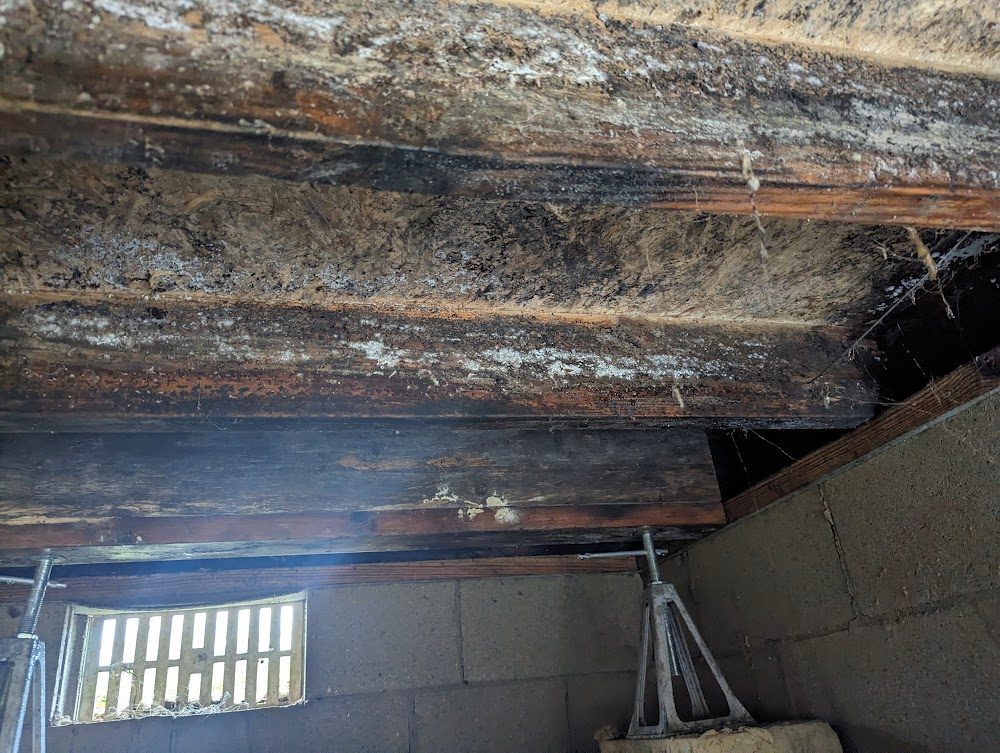
Building codes for decades required foundation vents so that air could move through the crawl space and carry moisture out. The idea works in a dry climate. In Kentucky, where summer air is heavy with moisture and the ground under the house is wet clay, the vents mostly carry moisture in. Warm July air enters, hits the cooler ducts, pipes and joists, and condenses on them. That is why a vented crawl space here is often wetter in August than a closed one.
Winter: close them
In winter the outside air is cold and dry, so the humidity argument goes away and a different one takes over: cold. Open vents let January air under the floor, which means cold floors upstairs, a furnace working harder, and water lines in the crawl space at risk of freezing in a hard snap. Closing the vents from about November to March is sensible and most vent covers are made to do exactly that. Use foam plugs or the vent's own sliding louvers, and make sure the crawl space access door seals too.
One caution: if there is a gas appliance in the crawl space, it needs its combustion air. Do not seal a space that has a furnace or water heater in it without confirming how that appliance is vented.
Summer: the awkward part
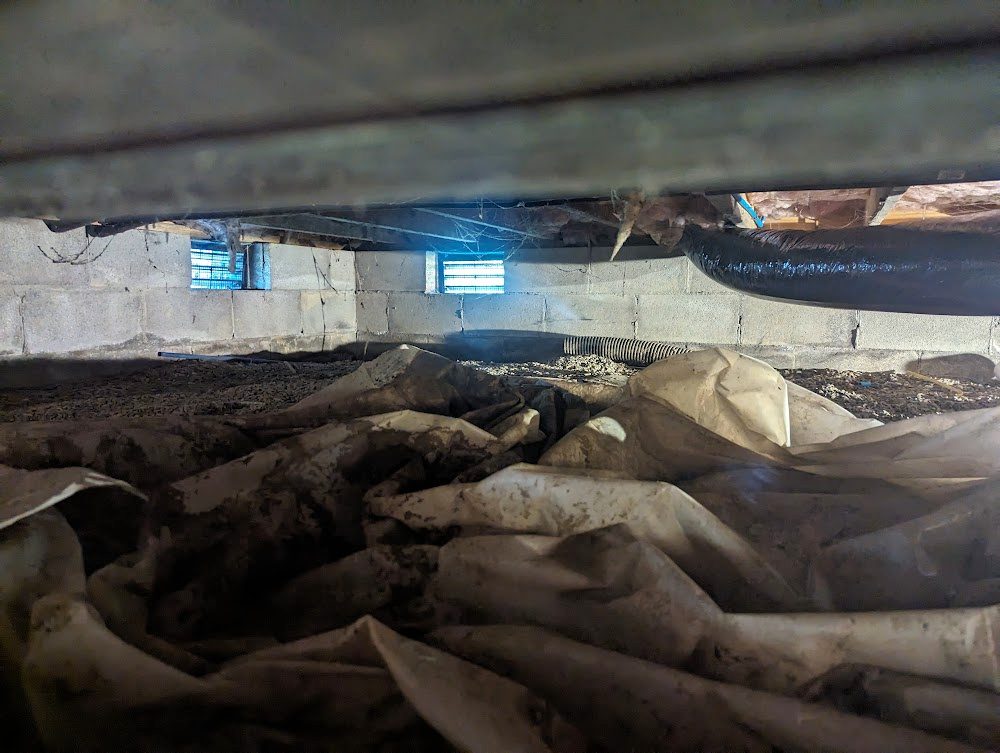
The old advice says open them again in spring. In Louisville that reintroduces the moisture problem for the five wettest months. Many homeowners end up with the worst of both: vents open in the humid season, mold growing on the joists, and a musty smell that arrives every June.
Some people leave the vents closed all year and stop there. That is better than open, but a closed vented crawl space over bare dirt with no dehumidifier can trap ground moisture and stay damp. Closing the vents is half of a solution.
The whole solution: seal them and condition the space
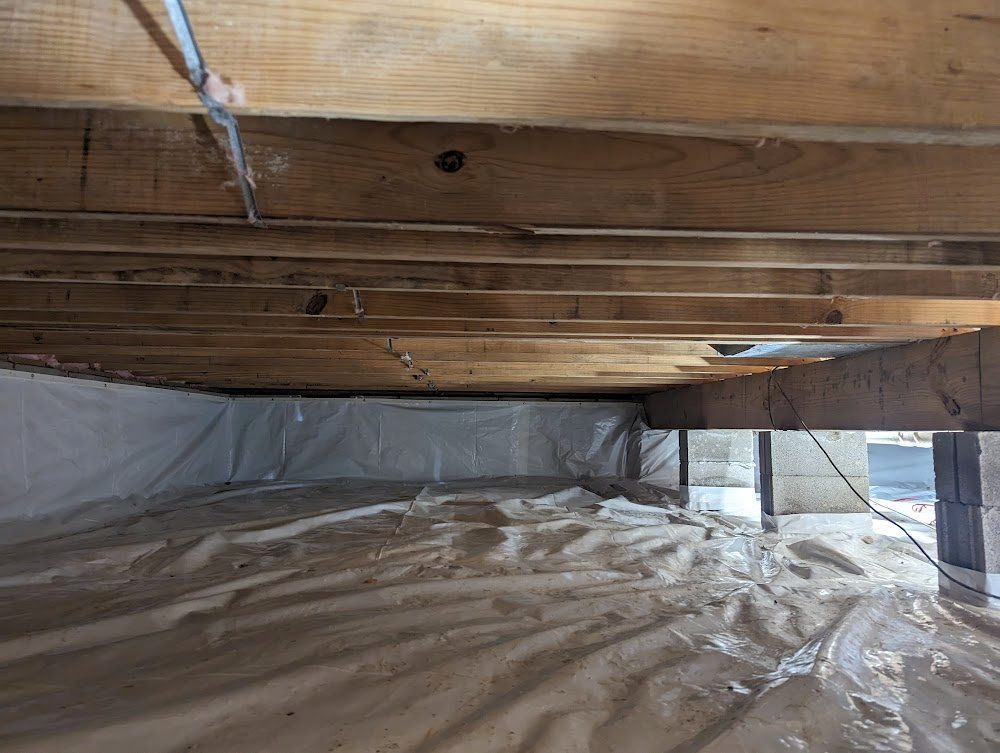
The approach that ends the seasonal question is a sealed crawl space: a heavy liner over the floor and up the walls, the vents sealed permanently and insulated, the access door sealed, and a dehumidifier holding the air at about 50%. The space stays dry in July and warm in January, the floors above are more comfortable, and there is nothing to open or close. That is what a crawl space encapsulation is.
If you only do one thing this fall
Close the vents, seal the access door, and put a hygrometer on a joist. Read it next July. If it is above 60%, the vents were never the problem, and you will know exactly what the crawl space needs.
Keep reading
More from the crew
Basement flooded? What to do in the first 24 hours
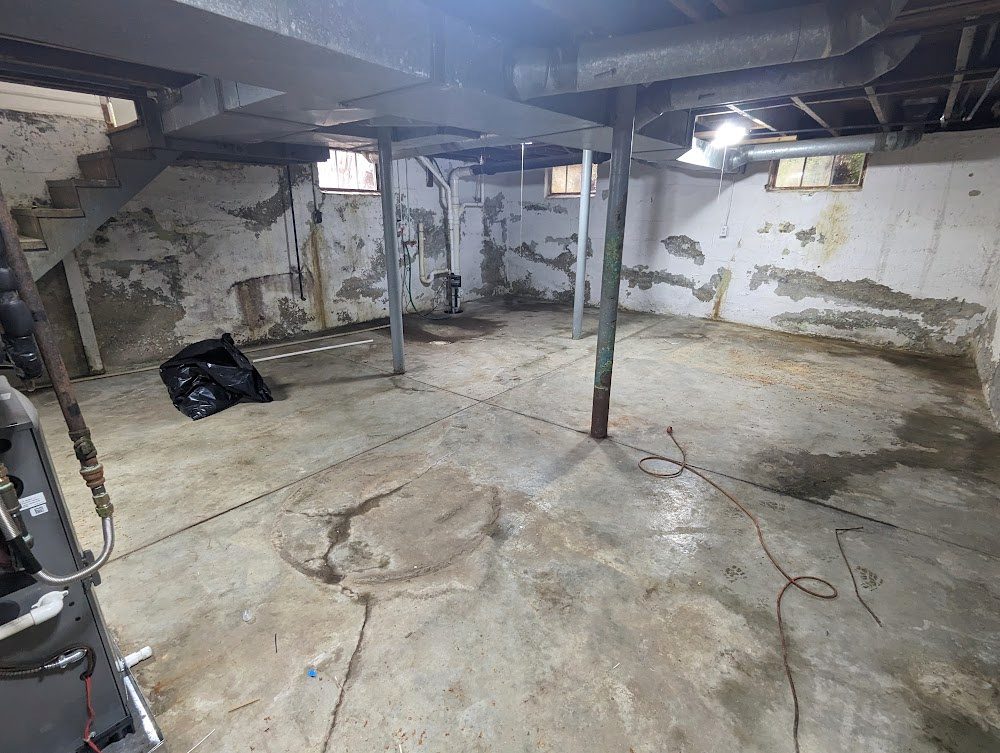
Power off, water out, wet material out within a day, then find the cause. A calm first-24-hours checklist for a flooded Louisville basement, including what not to do.
Read the article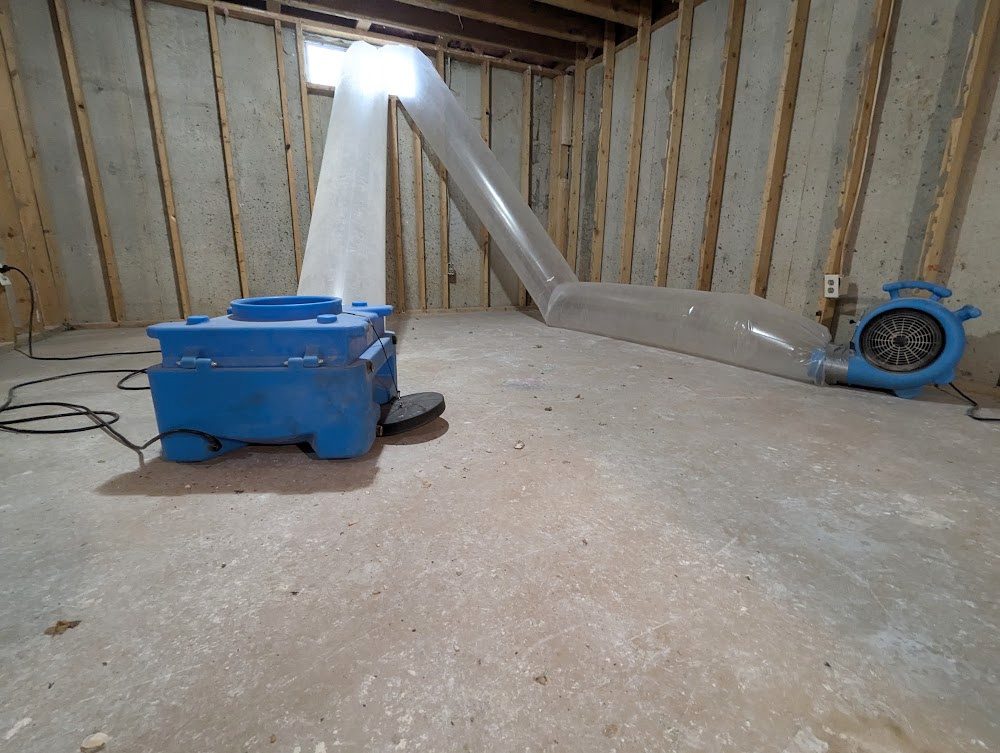
Does homeowners insurance cover basement or crawl space water damage?
Sudden water from inside the house is usually covered; groundwater seepage, flooding and sump failures usually are not without an endorsement. What Louisville homeowners should know before they file.
Read the article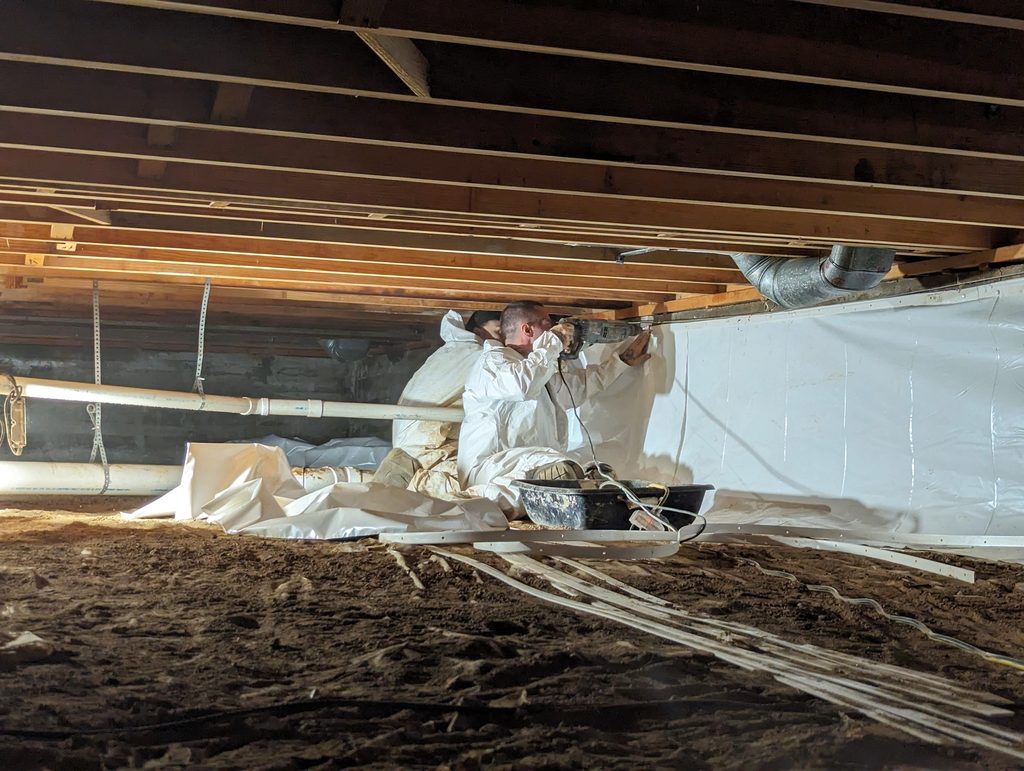
What humidity should a crawl space be?
Keep a crawl space under 60% humidity. Why Louisville crawl spaces run wet every summer and the fix in order: water, ground, vents, then the dehumidifier.
Read the articleQuestions
Asked about this
Still have a question? Call the office, Monday to Saturday, 9:00 AM to 5:00 PM.
Should crawl space vents be open or closed in the summer?
In Kentucky, open vents let humid summer air in and it condenses on the cooler surfaces under the house. Closed is better than open, and sealed with a liner and a dehumidifier is best.
Will closing the vents cause mold?
Closing vents over bare dirt with no dehumidifier can trap ground moisture, so mold is possible either way. The fix is to stop the ground moisture with a liner and control the air with a dehumidifier, then the vents can stay sealed for good.
Do I need to worry about radon or gas appliances when I seal a crawl space?
Yes on both. A gas furnace or water heater in the crawl space needs its combustion air confirmed before sealing, and a sealed liner with a sealed sump lid is also part of how radon is kept out of the house. Ask the technician about both at the inspection.
Can pipes freeze in a vented crawl space?
Yes. Open vents in a hard freeze let cold air reach water lines under the floor. Closing the vents in winter and insulating exposed lines is the minimum; a sealed crawl space keeps them warm all season.
Related services
What we do about it
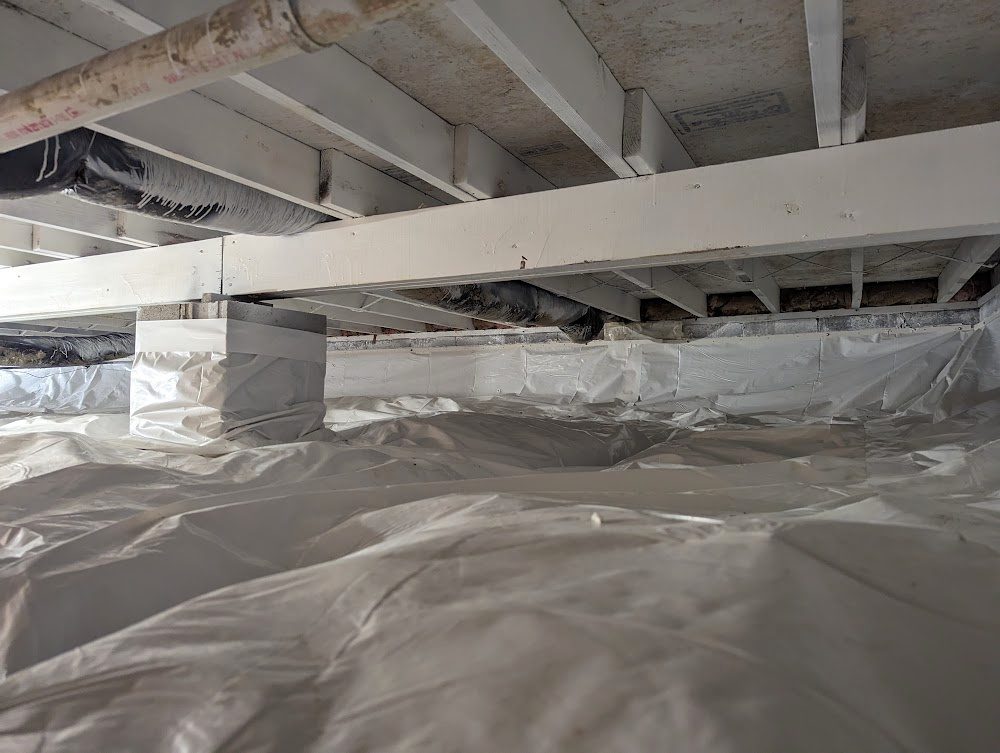
Crawl Space Encapsulation
Seal the crawl space off from ground moisture for good: liner, sealed vents, dehumidifier.
Learn more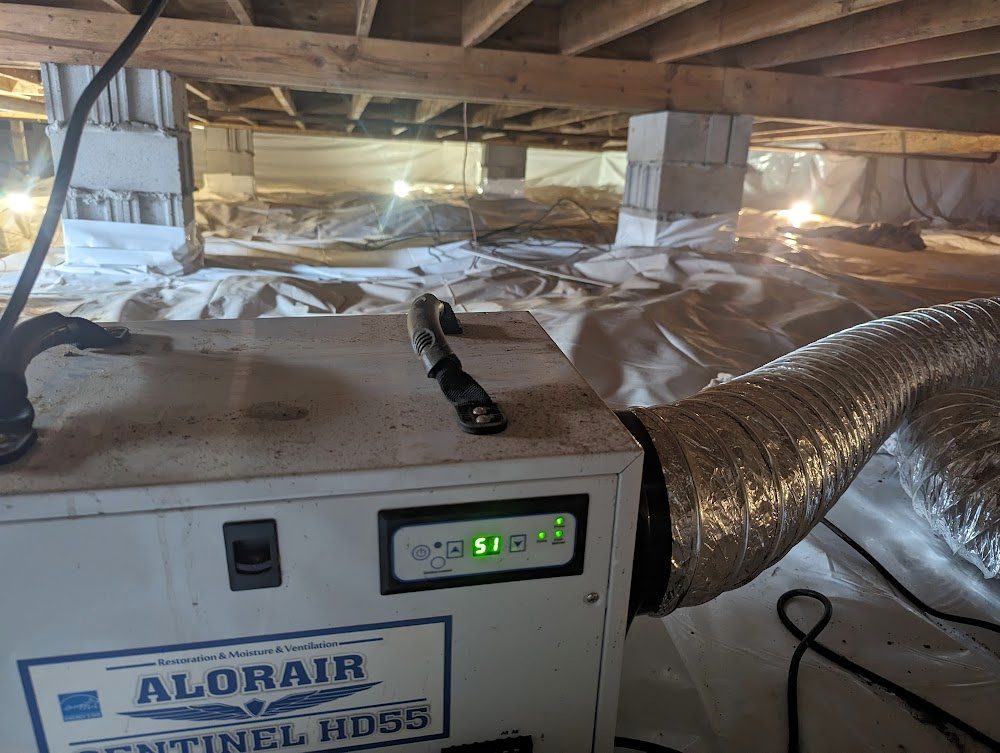
Crawl Space Dehumidifier Installation
Commercial-grade dehumidifiers sized to the space, installed and drained properly.
Learn more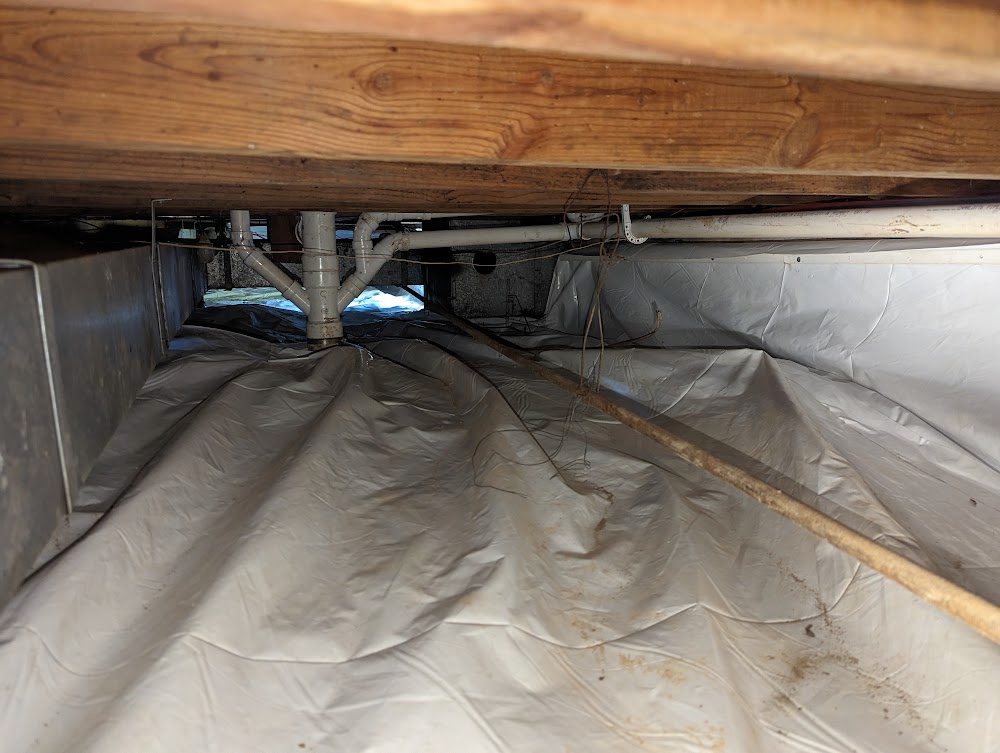
Crawl Space Vapor Barrier
Heavy-duty liner that stops ground moisture rising into the house.
Learn moreFree estimate
Want a technician to look?
Tell us what you are seeing. A technician calls back during business hours and books a time to come out. Free, no obligation, written price.
- Photos and a plain explanation of the cause
- Written scope and price
- Lifetime transferable warranty on our work