

Learn
What a sump pump does, and when you need one
A sump pump is the last line of defense for a basement or crawl space that takes on water. Here is how it works, when a house needs one, and what a proper installation looks like.
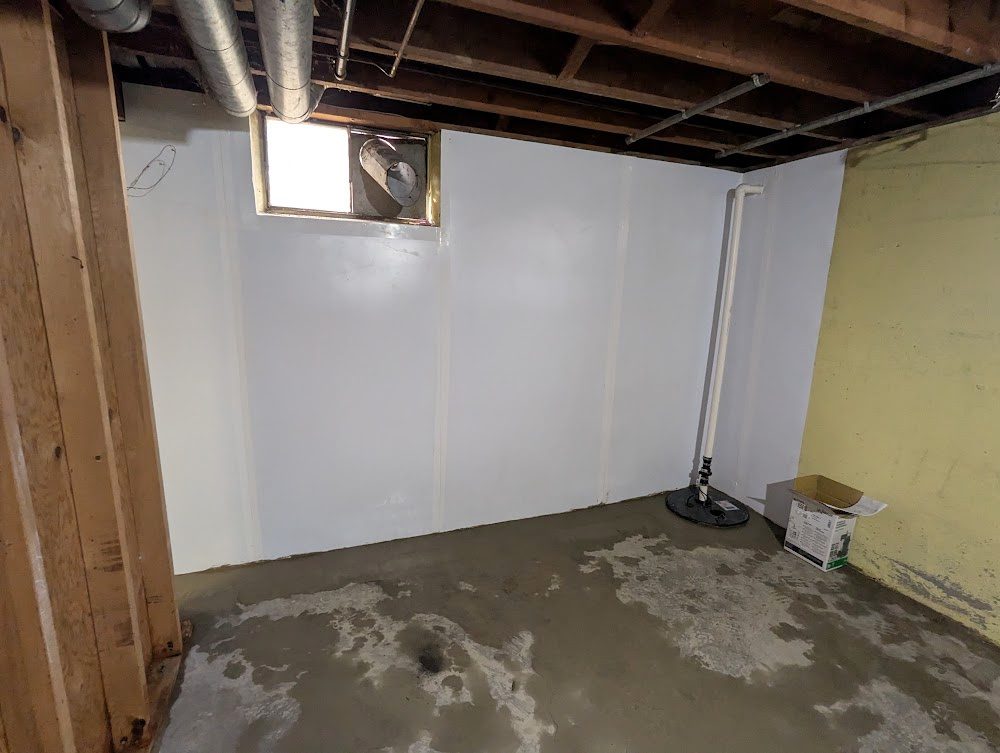
The short version
- A sump pump sits in a basin at the low point of the drainage, and pumps the water that collects there out and away from the house.
- You need one when water gets in: at the floor edge of a basement after rain, or standing under the house in a crawl space.
- A sealed lid, a check valve and a discharge line that runs away from the foundation matter as much as the pump.
- The storms that fill the basin are the ones that take the power out. Battery backup covers that.
How a sump pump works
Water under a basement floor or a crawl space follows the drain tile to the lowest point, which is the sump basin. When the water in the basin rises, it lifts a float switch, and the pump turns on and pushes the water up through a discharge pipe and out of the house. A check valve on that pipe stops the water falling back into the basin when the pump shuts off.
The pump is only half the system. The drain tile around the perimeter is what collects the water and brings it to the basin. That is why a sump pump goes in with basement waterproofing or crawl space waterproofing.
When you need one
- Water on the basement floor after rain, usually at the joint where the floor meets the wall.
- Standing water or mud in the crawl space after a storm.
- A basement or crawl space getting an interior drainage system: the drain needs somewhere to send the water.
- An old pump that runs constantly, a basin with no lid, or a discharge that dumps water right back at the foundation.
Louisville sits on clay over limestone. After a big storm the clay stays saturated for days and groundwater keeps moving toward the lowest point it can find. Near the river, the creeks and in the lower parts of town, the water table is high after wet weather.
What a proper installation looks like
- A basin set at the low point of the perimeter drain, not just where there was room.
- A sealed, gasketed lid so humidity and debris stay out and the float stays free.
- A quality pump sized to the flow, a check valve on the discharge, and a union so the pump can be pulled for service.
- A discharge line that runs away from the foundation to a place the water cannot come back from.
- A battery backup pump on its own float.
How to test yours
Pour a bucket of water into the basin and watch a full cycle: the float should rise freely, the pump should run smoothly, the water should leave and not come back, and the pump should shut off cleanly. Then walk outside and find where that water came out. If the pump runs a lot, the sump pump guide walks through the usual causes.
Keep reading
More from the crew
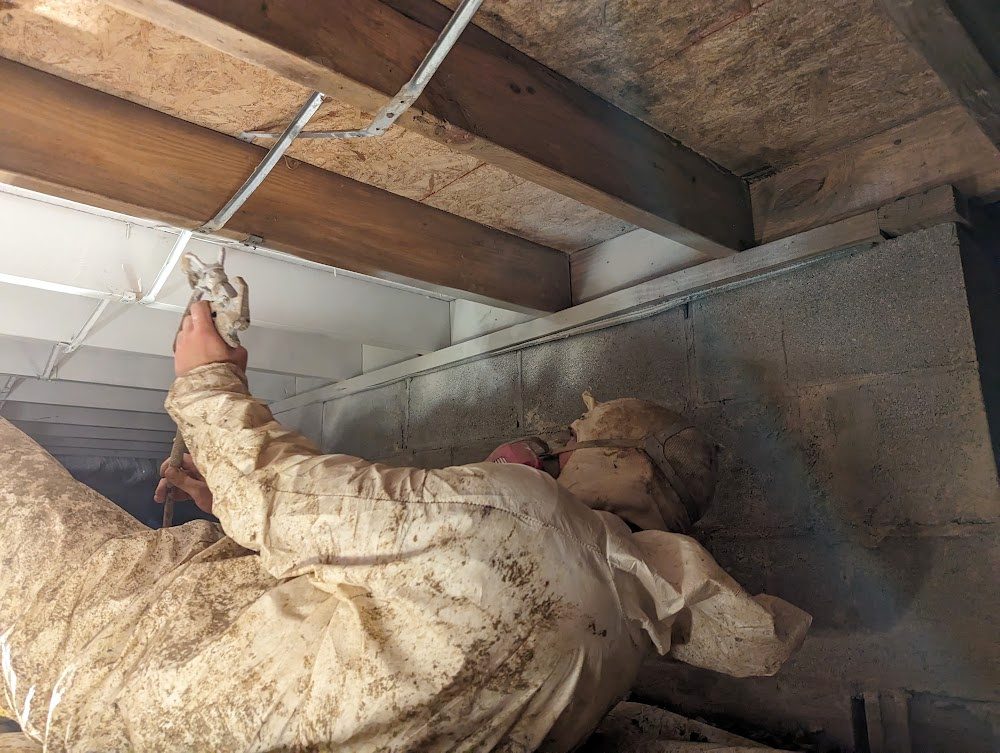
Mold in the crawl space: what to do
Mold under the house means moisture. What to do first, what proper crawl space mold remediation involves and how to keep it from coming back.
Read the article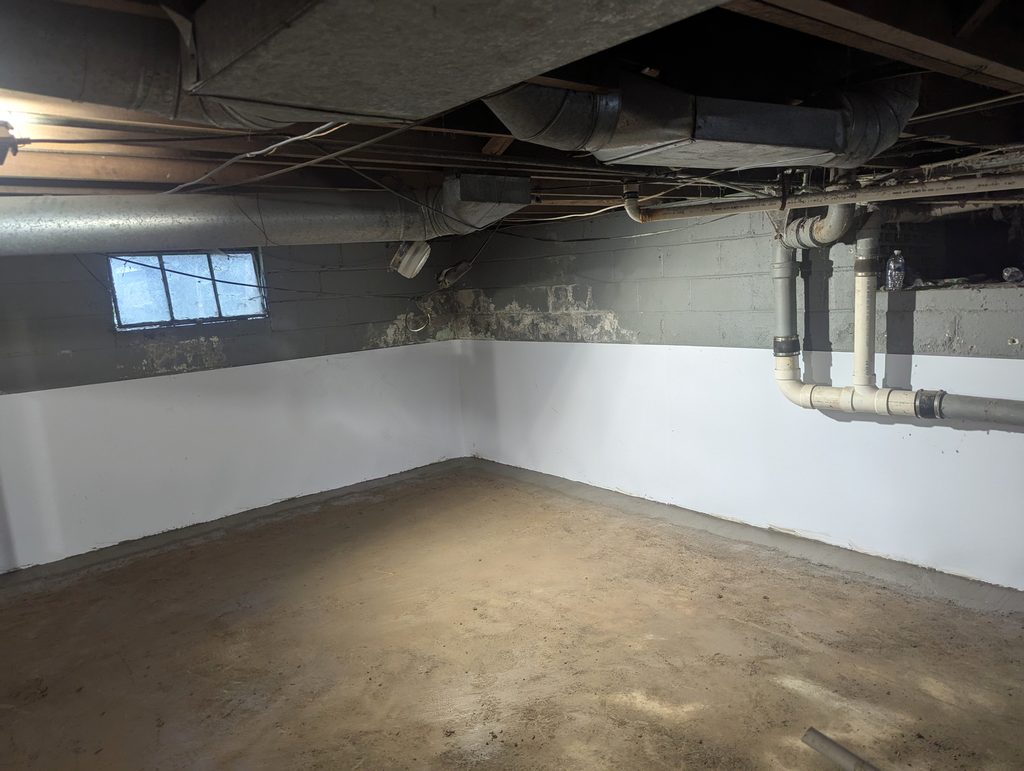
Why basements leak after heavy rain in Louisville
Louisville clay holds water against the foundation after storms. Where basement water gets in, what makes it worse and how it gets fixed for good.
Read the article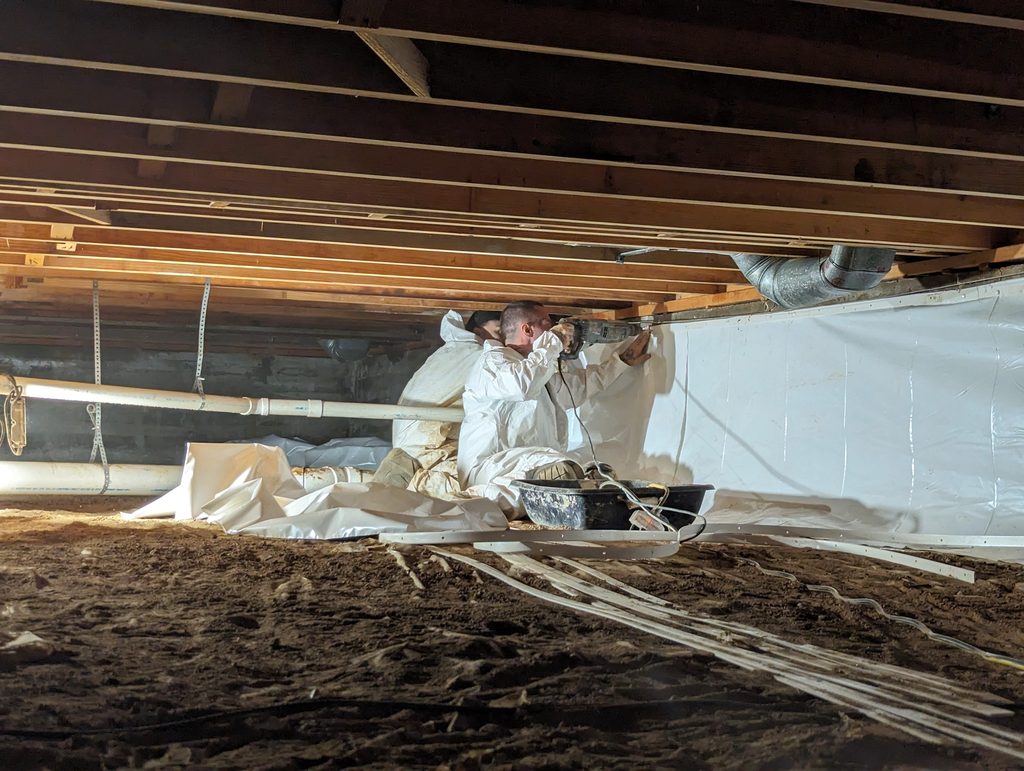
What to ask a waterproofing company before you hire
Eight questions to ask any basement or crawl space waterproofing company before you sign: who does the work, what is in writing, the warranty and more.
Read the articleQuestions
Asked about this
Still have a question? Call the office, Monday to Saturday, 9:00 AM to 5:00 PM.
Does every basement need a sump pump?
No. A basement that stays dry does not need one. A basement or crawl space that takes on water, or that is getting an interior drainage system, does.
Should a sump pump have a battery backup?
Yes, if the basement matters. The same storms that fill the basin knock the power out. A backup pump with its own float and battery keeps pumping through an outage.
Can a crawl space have a sump pump?
Yes. Crawl space waterproofing is drain tile and a sealed sump under the house, so standing water never collects again.
Do you replace sump pumps?
Yes. Sump pump installation and replacement, with sealed basins, quality pumps and battery backup.
Related services
What we do about it
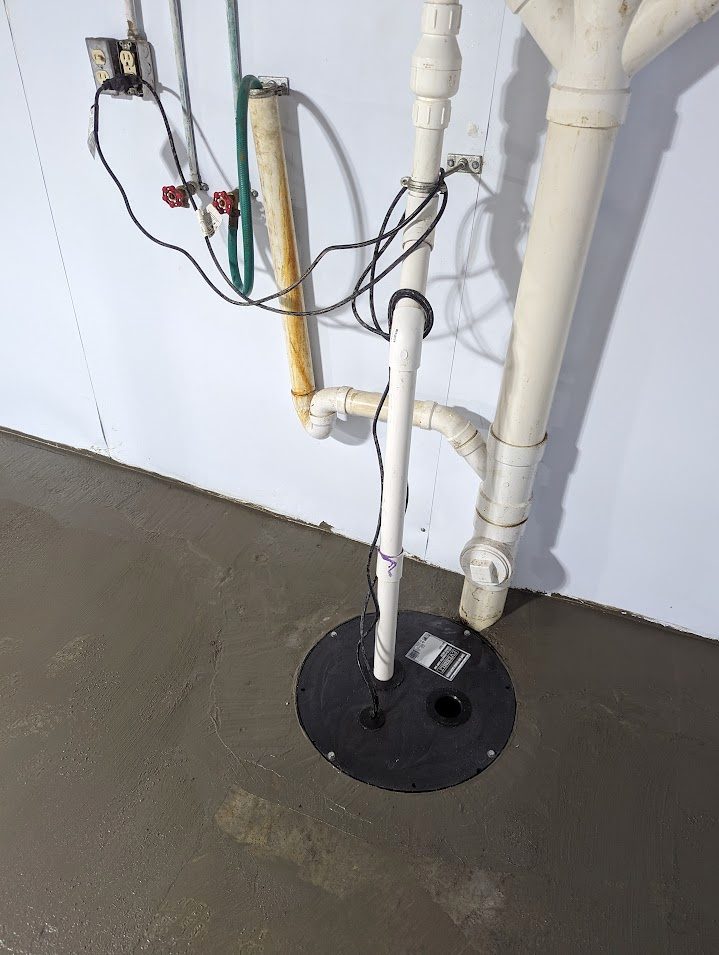
Sump Pump Installation and Replacement
Sealed basins, quality pumps, battery backup: the last line of defense, done right.
Learn more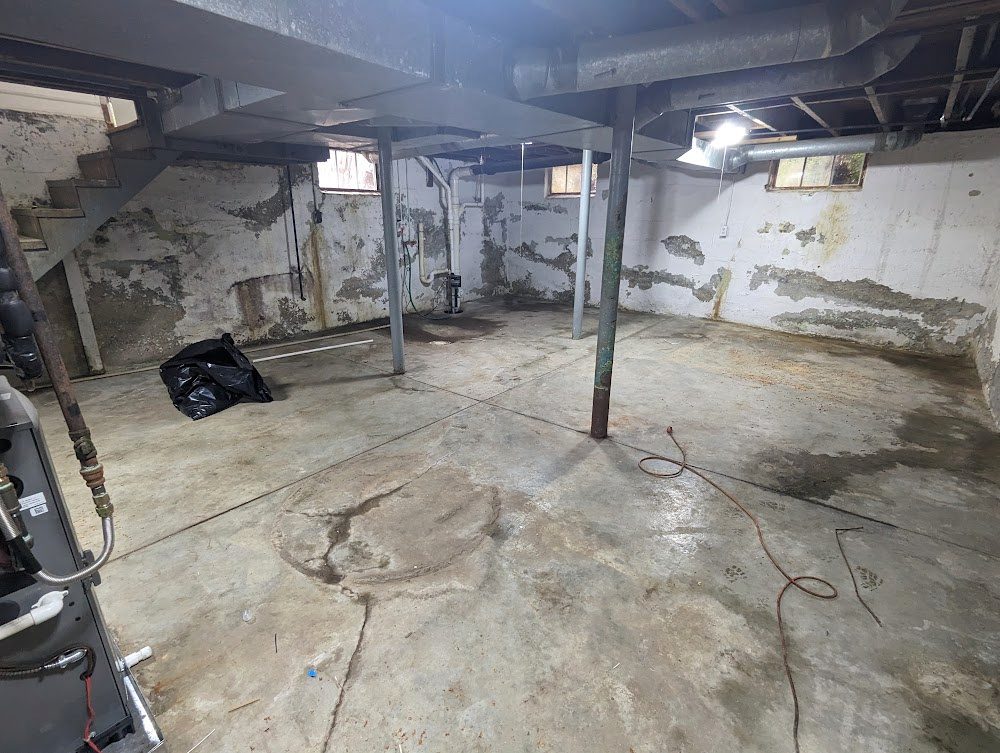
Basement Waterproofing
Interior drainage, sealed walls and a sump that carry the water out after heavy rain.
Learn more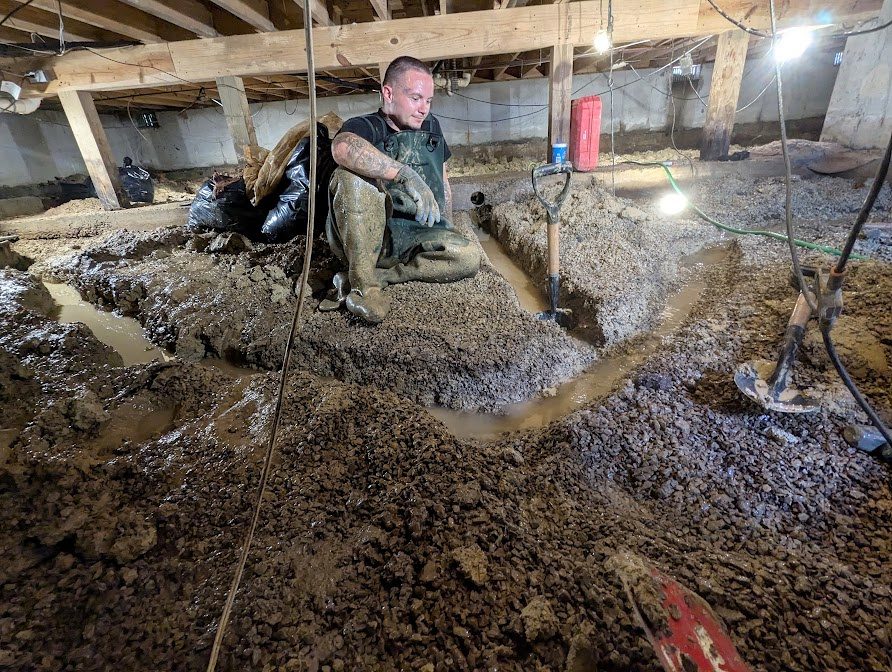
Crawl Space Waterproofing
Drainage and a sump under the house, so standing water never collects again.
Learn moreFree estimate
Want a technician to look?
Tell us what you are seeing. A technician calls back during business hours and books a time to come out. Free, no obligation, written price.
- Photos and a plain explanation of the cause
- Written scope and price
- Lifetime transferable warranty on our work