
Learn
Crawl space encapsulation vs. crawl space reconditioning: are they different jobs?
Two names you will see on estimates for the space under your house. Here is what each one means, why on our jobs they are the same work, and how to read any estimate that uses either word.
The short version
- Encapsulation seals the crawl space: liner on the floor and walls, piers wrapped, vents sealed, a dehumidifier sized to the space.
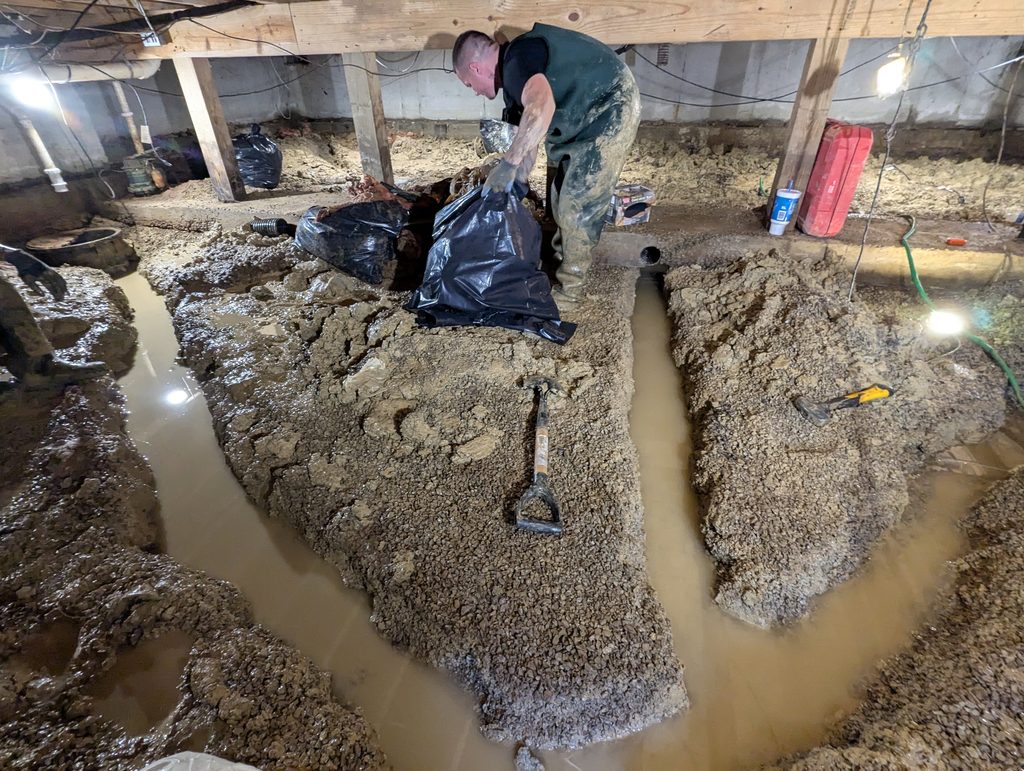
- Reconditioning is the full reset: cleanout, mold treatment, drainage if there is water, liner or encapsulation, insulation and repairs.
- On our jobs they are the same work: the crawl space is cleaned out, made dry and sealed.
- Whatever the estimate calls it, read the list of work, not the name at the top.
What encapsulation means
A crawl space encapsulation turns the space under the house into part of the house instead of part of the outdoors. A heavy reinforced liner goes across the whole floor and up the foundation walls, the seams are sealed, the piers are wrapped, the vents are closed, and a commercial-grade dehumidifier, sized to the space and plumbed to drain, holds the humidity below the level mold needs.
If the space takes on water, drainage and a sump go in first. If there is mold, it is treated first. A liner over standing water is a pond with a lid.
What reconditioning means
Crawl space reconditioning is the full reset of a crawl space. In practice it means removing everything the moisture has ruined (insulation, old plastic, debris, sometimes ductwork), treating mold, fixing the water with drainage and a sump if it is present, putting in a new vapor barrier or a full encapsulation, insulating correctly, and repairing joists, subfloor and supports the water has weakened.
So which one do you need?
On our jobs they are the same work: the crawl space is cleaned out, made dry and sealed. We use both words because homeowners search for both, and because some crawl spaces need more cleanout and repair than others before they are sealed. Your written estimate lists exactly what is included for your house, line by line.
What matters is not the name but whether the estimate fixes every reason the space went bad:
- Water. Standing water or mud after rain needs crawl space waterproofing before anything is sealed.
- Mold. Growth on the joists or subfloor is treated, by an IICRC-certified company, before the liner goes in.
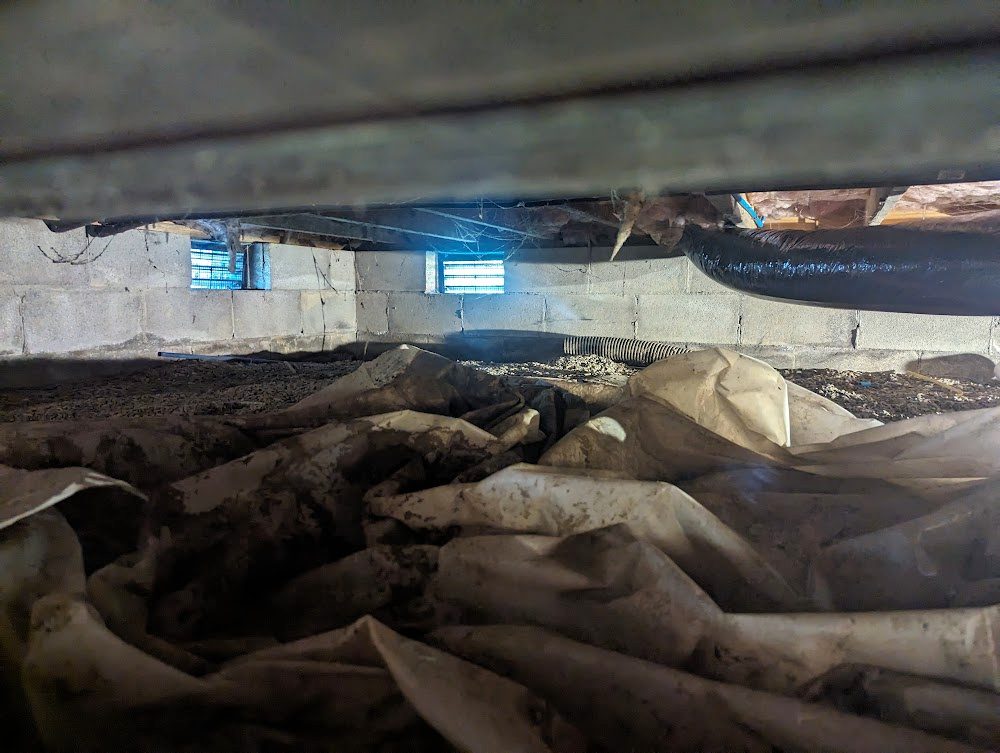
- Ruined material. Soaked insulation and torn plastic come out. Wet insulation holds water against the wood.
- The seal. Liner on the floor and the walls, seams sealed, piers wrapped, vents closed.
- The air. A dehumidifier sized to the space and drained properly, not a bucket.
- The wood. Soft joists and sagging floors repaired so the floor above is solid again.
Where a vapor barrier fits
A vapor barrier on its own is a liner over the floor. It is the right answer for a dry crawl space that only needs the ground vapor stopped, and we will tell you when that is all you need. The encapsulation vs. vapor barrier guide explains the difference.
How to read an estimate that uses either word
Ask the company to show you, in writing, whether the water, the mold, the ruined insulation, the seal, the dehumidifier and any wood repairs are included, and what liner goes in. Our liner comes in 10, 12 or 20 mil. Ask whether the warranty is in writing and whether it transfers when you sell. Ours is a lifetime transferable warranty on our work, written out to the address.
Keep reading
More from the crew
Signs your crawl space needs encapsulation
Musty smell, sticky air, cupping floors, wet insulation, mold on the joists: the signs a crawl space needs encapsulation, and what has to be fixed first.
Read the article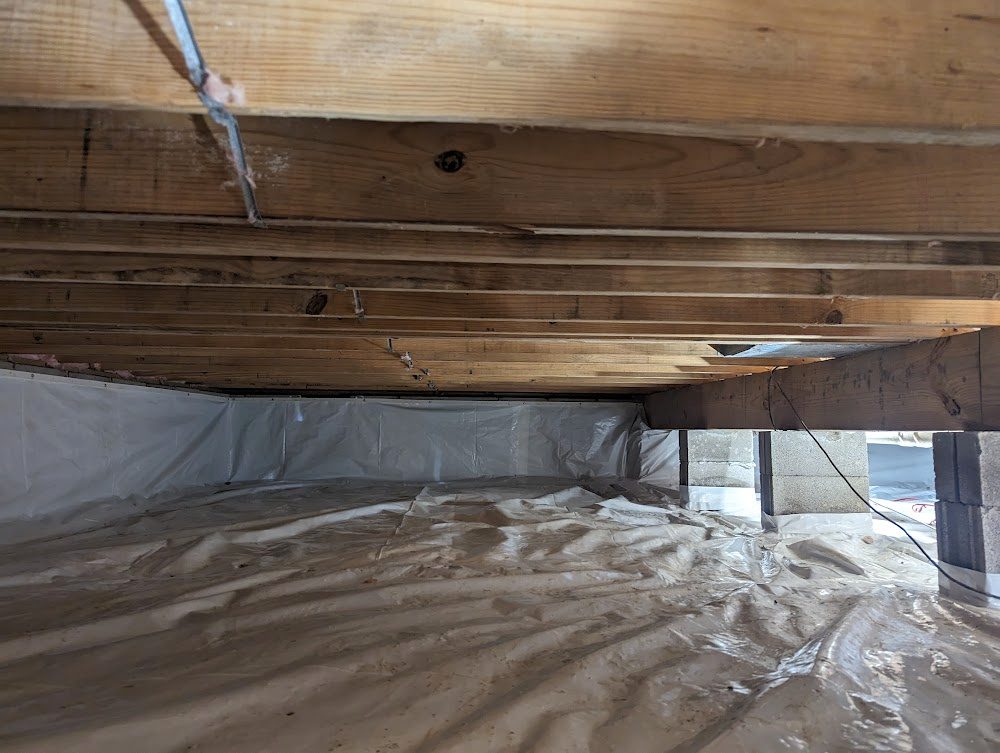
How long does crawl space encapsulation last?
What keeps a crawl space encapsulation working, what the Watertight lifetime transferable warranty covers, and what to check once it is in.
Read the article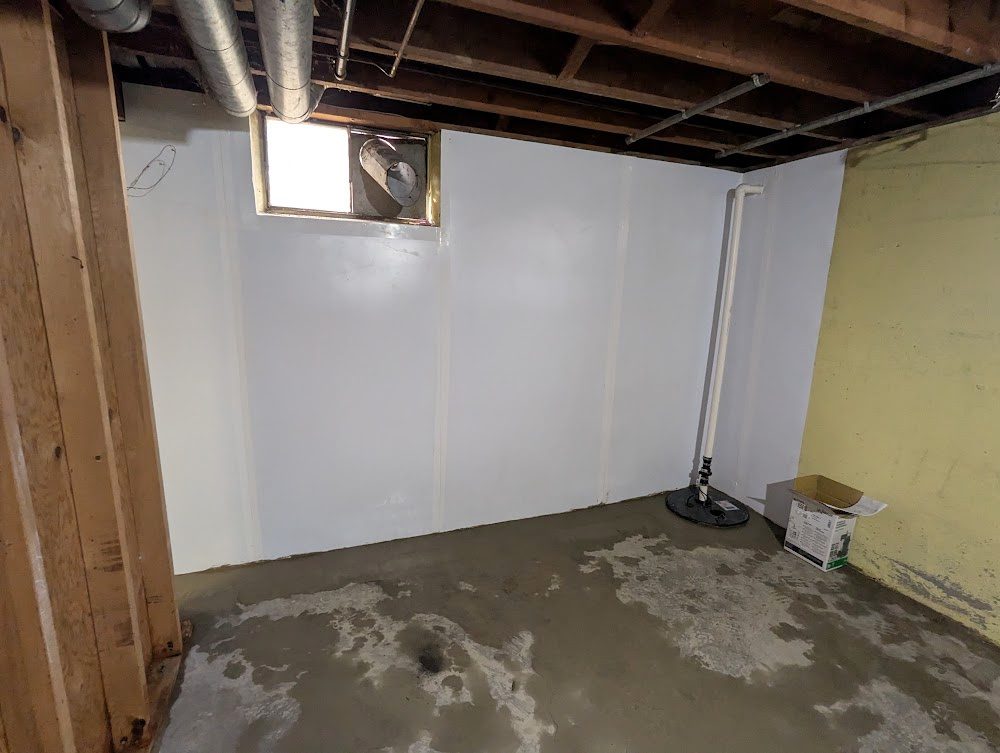
What a sump pump does, and when you need one
How a sump pump works, when a Louisville basement or crawl space needs one, what a proper installation includes and how to test the pump you have.
Read the articleQuestions
Asked about this
Still have a question? Call the office, Monday to Saturday, 9:00 AM to 5:00 PM.
Is crawl space reconditioning the same as encapsulation?
On our jobs, yes: the crawl space is cleaned out, made dry and sealed. Your written estimate lists exactly what is included for your house.
Does reconditioning include new insulation?
Yes. Ruined insulation comes out and correct insulation goes back in, as part of the job.
Can you encapsulate a crawl space with standing water?
Not until the water is dealt with. Drainage and a sump go in first, then the space is sealed.
How long does the work take?
Encapsulation usually takes one to three days. Reconditioning usually takes two to four days, depending on the repairs.
Related services
What we do about it
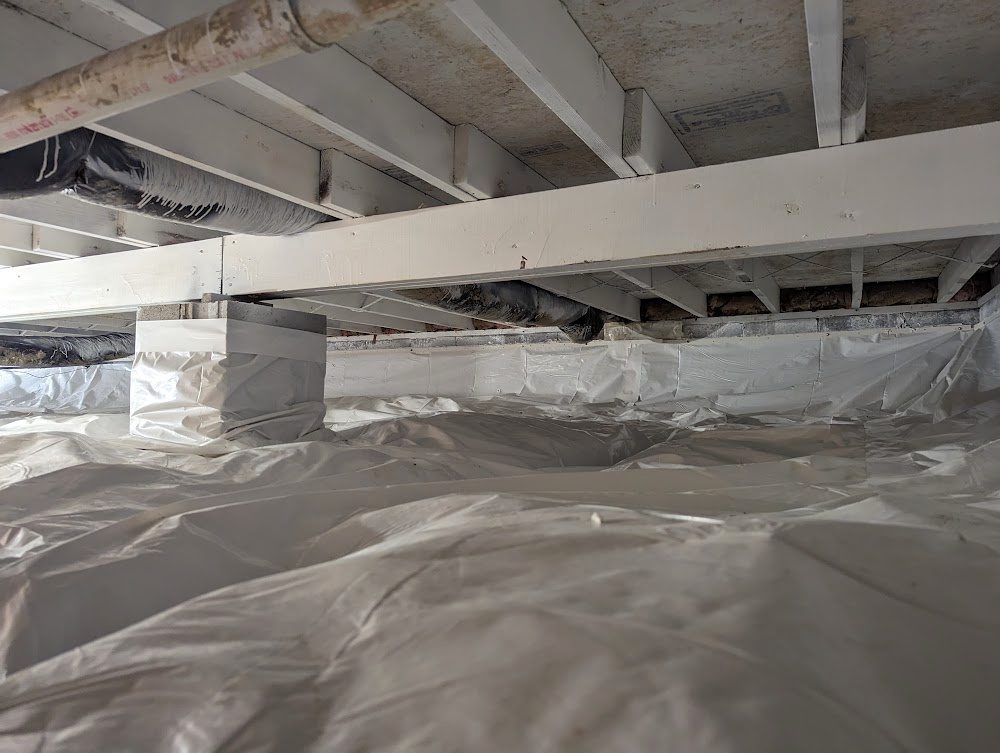
Crawl Space Encapsulation
Seal the crawl space off from ground moisture for good: liner, sealed vents, dehumidifier.
Learn more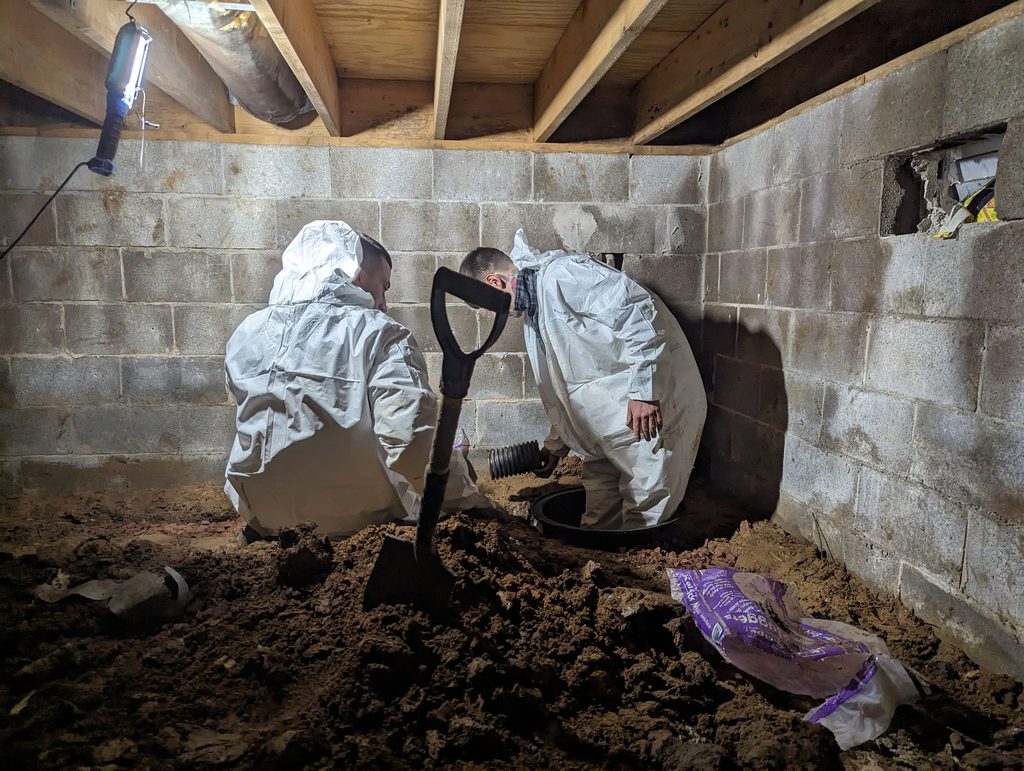
Crawl Space Reconditioning
The job we do most. Everything below the floor made right: cleanout, moisture control, insulation, repairs.
Learn more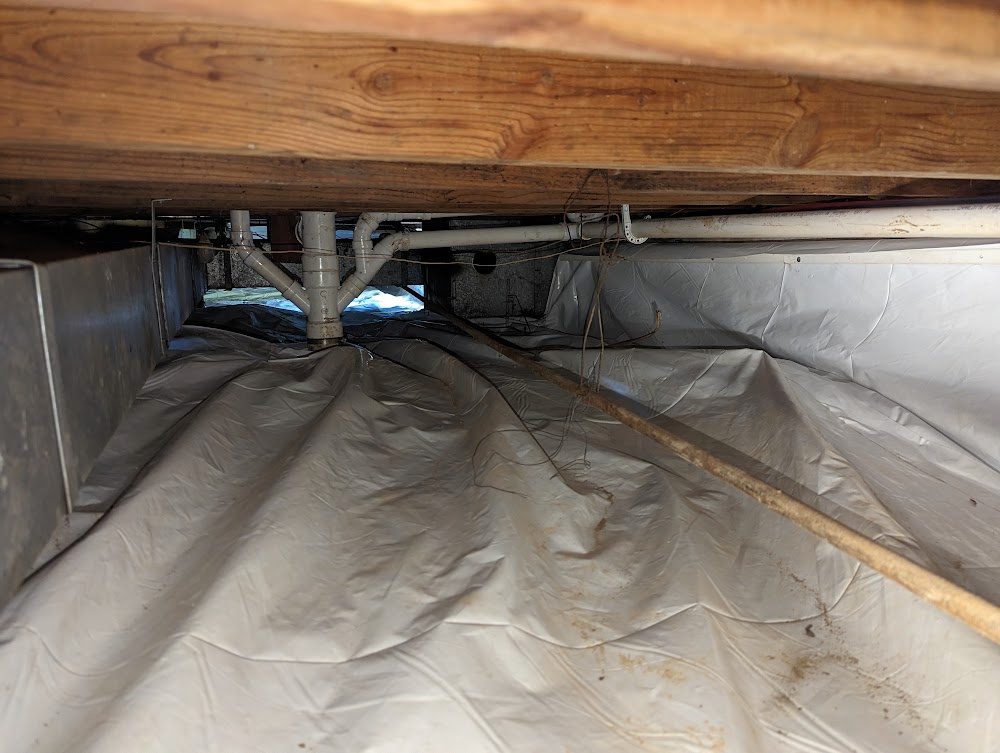
Crawl Space Vapor Barrier
Heavy-duty liner that stops ground moisture rising into the house.
Learn moreFree estimate
Want a technician to look?
Tell us what you are seeing. A technician calls back during business hours and books a time to come out. Free, no obligation, written price.
- Photos and a plain explanation of the cause
- Written scope and price
- Lifetime transferable warranty on our work