

Learn
How long does crawl space encapsulation last?
What decides how long an encapsulation keeps working, what our warranty covers, and the few things worth checking once it is in.
The short version
- An encapsulation lasts as long as the water stays out, the seal stays whole and the dehumidifier keeps running.
- Our encapsulation carries a lifetime transferable warranty on our work, written out to the address, not the person.
- Pumps and dehumidifiers carry their own manufacturer warranties.
- Water, mold and ruined insulation have to be dealt with first, or the seal is fighting a losing battle.
What our warranty says
Our crawl space encapsulation comes with a lifetime transferable warranty on our work. It covers any and all materials used during our services, and it is written out to the address, not the person, so it stays with the house when you sell. Equipment such as pumps and dehumidifiers carries its own manufacturer warranty. The warranty page has the details, and you can ask for the written warranty at your estimate and read it before you sign.
What decides how long it keeps working
An encapsulation is a system, and it keeps working as long as each part does its job:
- The water is dealt with first. If the space takes on water, drainage and a sealed sump go in before the liner. A liner over standing water is a pond with a lid.
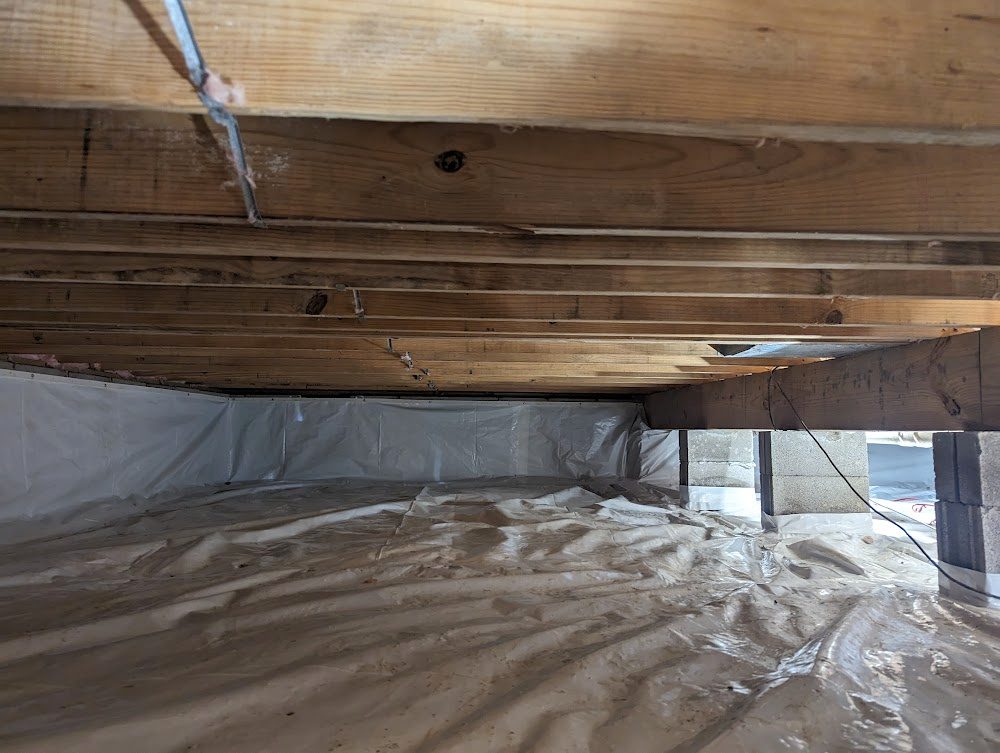
- The seal is complete. Liner across the whole floor and up the walls, seams taped and sealed, piers wrapped, vents closed. A gap lets humid air and ground moisture back in.
- The dehumidifier is sized and drained. Sealing stops new moisture coming in; the dehumidifier deals with what is already in the air and what migrates through the concrete. Without one, a sealed space can still sit above 60 percent humidity.
- Mold and ruined material are gone. Mold is treated and soaked insulation comes out before the space is sealed.
What to check once it is in
- The humidity. A hygrometer on a joist should read under about 60 percent. A sealed crawl space stays steady all year.
- The dehumidifier and its drain. Make sure it is running and the drain line is clear.
- The sump, if there is one. Pour a bucket of water into the basin and watch a full cycle.
- The liner. If someone works under the house (a plumber or an HVAC technician), look afterwards for tears and have them sealed.
- The vents. Keep them closed. Open vents bring humid air in summer and freezing air in winter.
If something changes
After waterproofing, our warranty covers water intrusion or standing water in the area we serviced. If you bought a house we worked on, call us with the address and we will look up the job and confirm what is covered.
Keep reading
More from the crew
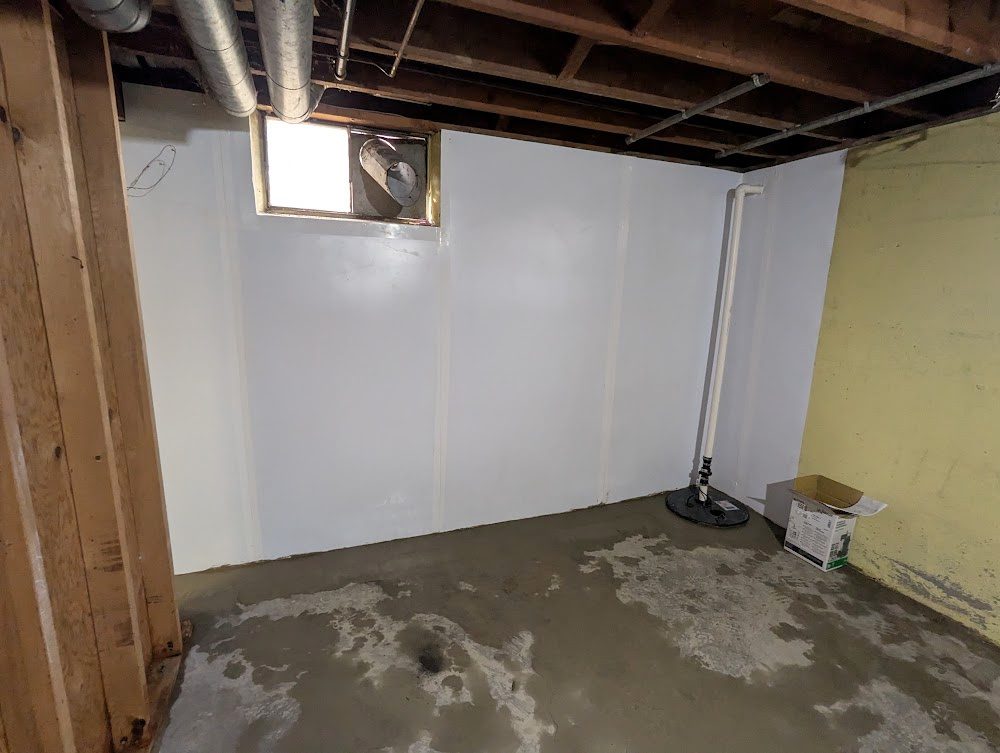
What a sump pump does, and when you need one
How a sump pump works, when a Louisville basement or crawl space needs one, what a proper installation includes and how to test the pump you have.
Read the article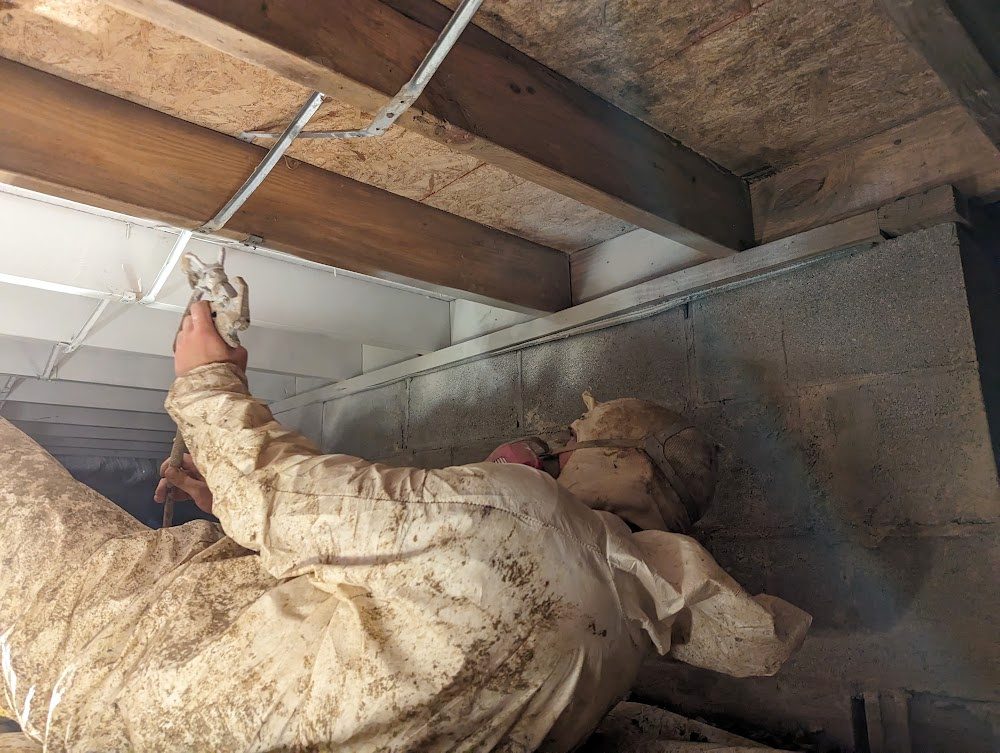
Mold in the crawl space: what to do
Mold under the house means moisture. What to do first, what proper crawl space mold remediation involves and how to keep it from coming back.
Read the article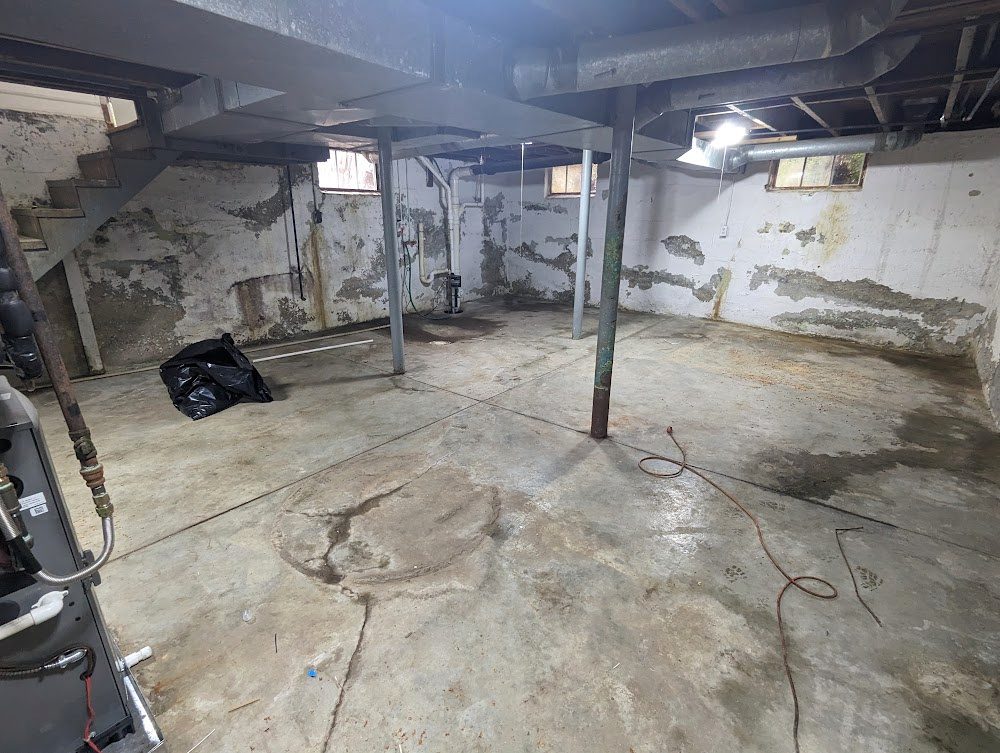
Why basements leak after heavy rain in Louisville
Louisville clay holds water against the foundation after storms. Where basement water gets in, what makes it worse and how it gets fixed for good.
Read the articleQuestions
Asked about this
Still have a question? Call the office, Monday to Saturday, 9:00 AM to 5:00 PM.
Is the encapsulation warranty transferable?
Yes. It is written out to the address, not the person, so it stays with the house when you sell.
Does the warranty cover the dehumidifier?
Pumps and dehumidifiers carry their own manufacturer warranties. Our lifetime transferable warranty covers our work and the materials we use.
Do I still need a dehumidifier if the space is sealed?
Yes. Sealing stops new moisture coming in; the dehumidifier deals with what is already in the air and what migrates through the concrete.
Can I read the warranty before I hire you?
Yes. Ask at the estimate and we will give you the written warranty for the system being proposed.
Related services
What we do about it
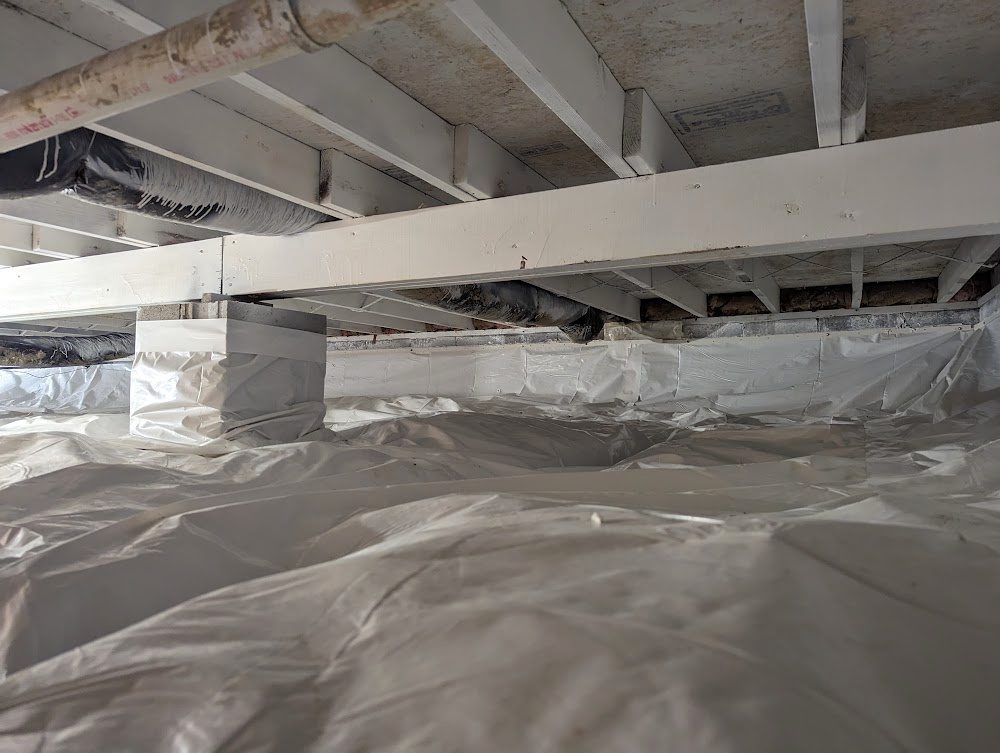
Crawl Space Encapsulation
Seal the crawl space off from ground moisture for good: liner, sealed vents, dehumidifier.
Learn more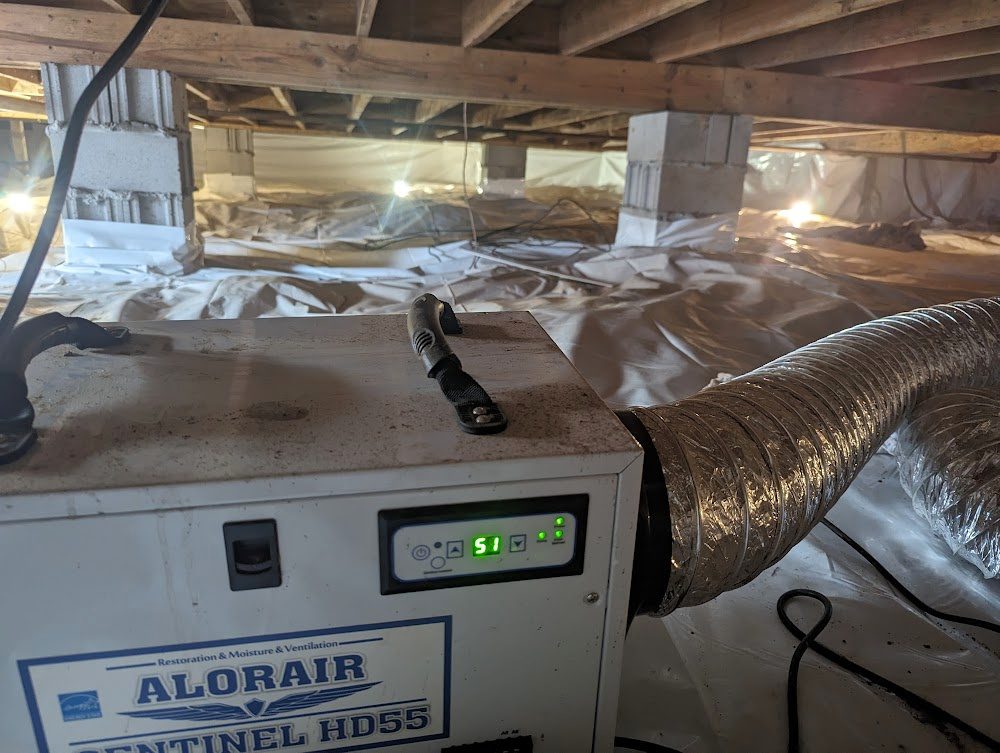
Crawl Space Dehumidifier Installation
Commercial-grade dehumidifiers sized to the space, installed and drained properly.
Learn more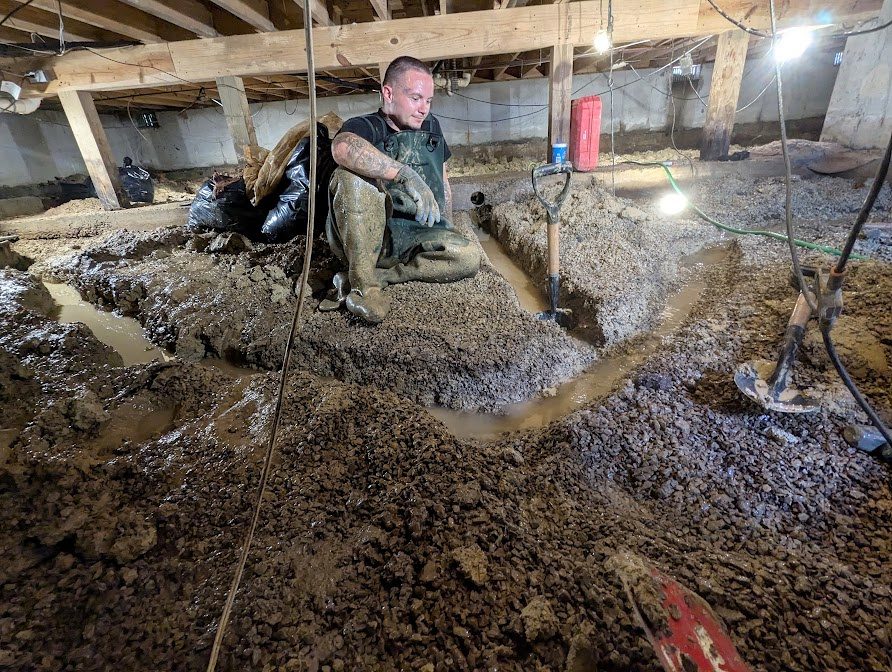
Crawl Space Waterproofing
Drainage and a sump under the house, so standing water never collects again.
Learn moreFree estimate
Want a technician to look?
Tell us what you are seeing. A technician calls back during business hours and books a time to come out. Free, no obligation, written price.
- Photos and a plain explanation of the cause
- Written scope and price
- Lifetime transferable warranty on our work