

Learn
Signs your crawl space needs encapsulation
Most crawl space problems show up upstairs first. Here are the signs to look for in the house and under it, and what each one usually means.
The short version
- A musty smell upstairs is often crawl space air: a large share of the air in the living space rises from below.
- Condensation on ducts, wet or fallen insulation and mold on the wood all mean the space is too damp.
- Cupping hardwood and soft or sagging floors mean the moisture has reached the wood.
- Standing water after rain means drainage comes first, then the encapsulation.
Signs you notice upstairs
- A musty smell. A large share of the air in your living space rises from the crawl space through gaps around pipes, ducts and the subfloor. If it is damp down there, you are breathing it.
- Sticky, humid air in summer. Louisville summers push warm, wet air through open vents into the space under the house.
- Cupping hardwood floors. Wood floors take on moisture from below and cup.
- Soft spots or sagging floors. Long enough, and joists soften and floors dip. That is the expensive stage.
- Cold floors in winter. A vented crawl space brings in freezing air in winter, and the floor above feels it.
Signs you see under the house
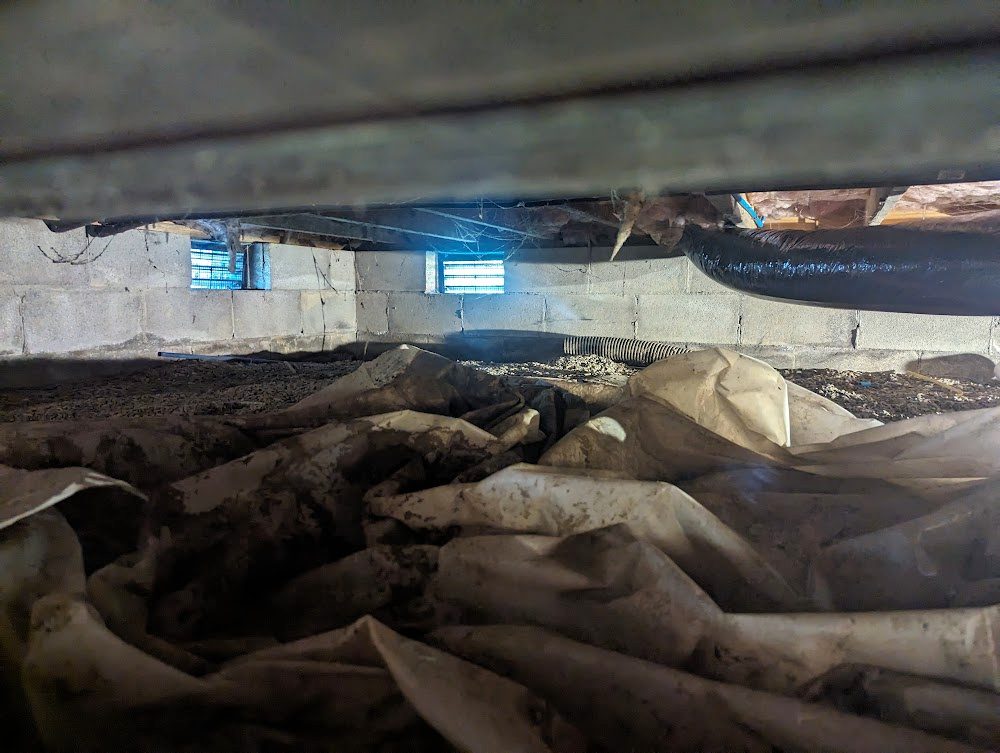
- Condensation on ducts and pipes. Humid summer air condenses on the coldest surfaces first: metal ducts, water lines, then the wood.
- Wet or fallen insulation. Fiberglass batts soak up moisture, sag and fall out of the joist bays. Wet insulation holds water against the subfloor.
- Mold on joists or subfloor. White, green or black growth on the wood means humidity has been above 60 percent for a long time.
- Torn or bunched plastic. Old sheeting that has come apart leaves bare dirt, and ground moisture rises out of bare dirt around the clock.
- Standing water or mud after rain. That is a drainage problem first. See crawl space waterproofing.
Check the humidity yourself
A battery hygrometer from a hardware store, left on a joist near the middle of the space for a week in summer, tells you where you stand. Read it in the evening and take the highest reading. Keep a crawl space under about 60 percent relative humidity; the humidity guide explains the numbers.
What encapsulation fixes, and what comes first
A crawl space encapsulation seals the space off from the ground and the outdoor air: liner across the floor and up the walls, seams sealed, piers wrapped, vents closed, and a dehumidifier sized to the space. It stops the moisture that rots wood, feeds mold and warps floors.
The order matters. Water first, with drainage and a sump. Mold treated next, by an IICRC-certified company. Ruined insulation out. Soft joists repaired. Then the seal. Sealing a liner over water or mold is how problems get created, not fixed.
When a vapor barrier is enough
If the crawl space is dry after heavy rain, the wood is clean and the insulation is in place, a vapor barrier may be all it needs. We install them, and we will tell you when that is the right job.
Keep reading
More from the crew
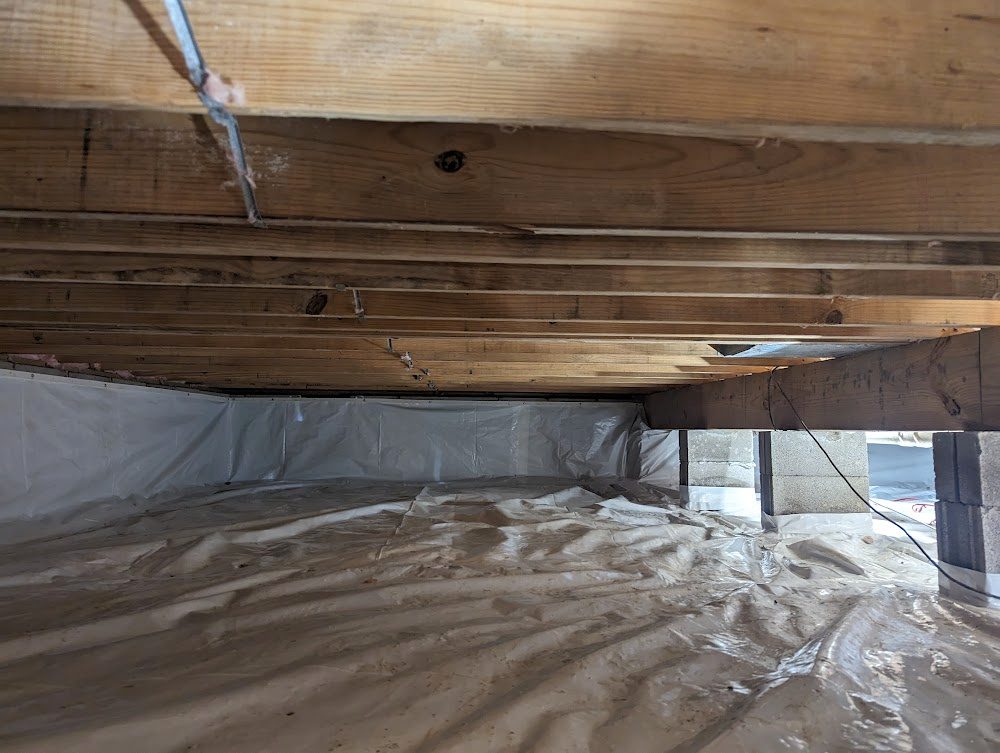
How long does crawl space encapsulation last?
What keeps a crawl space encapsulation working, what the Watertight lifetime transferable warranty covers, and what to check once it is in.
Read the article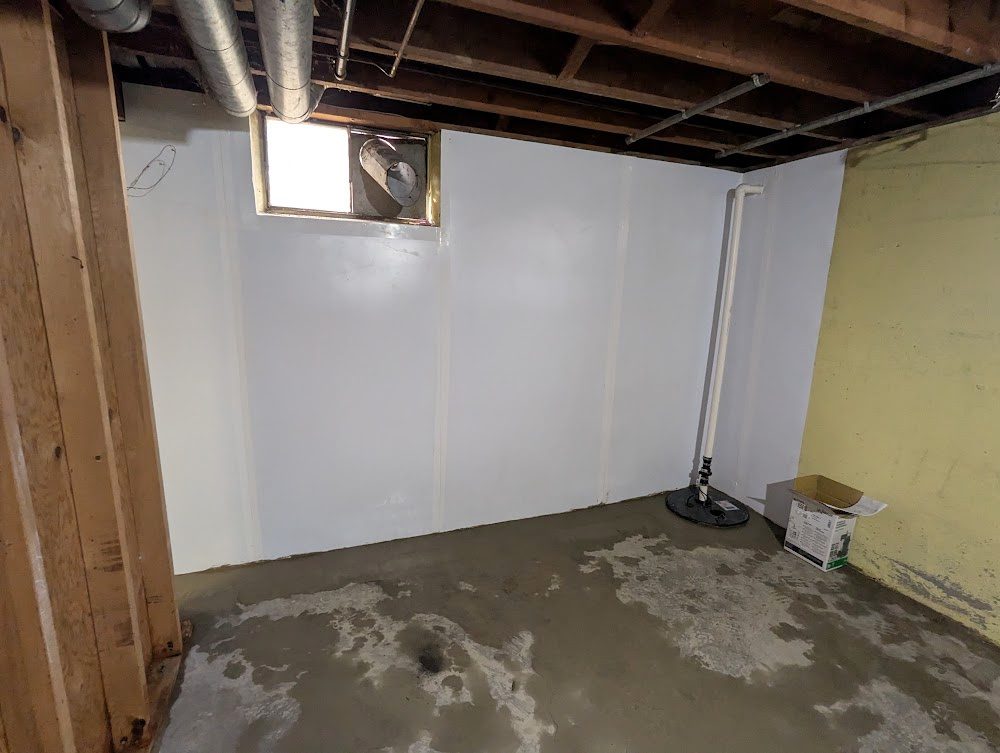
What a sump pump does, and when you need one
How a sump pump works, when a Louisville basement or crawl space needs one, what a proper installation includes and how to test the pump you have.
Read the article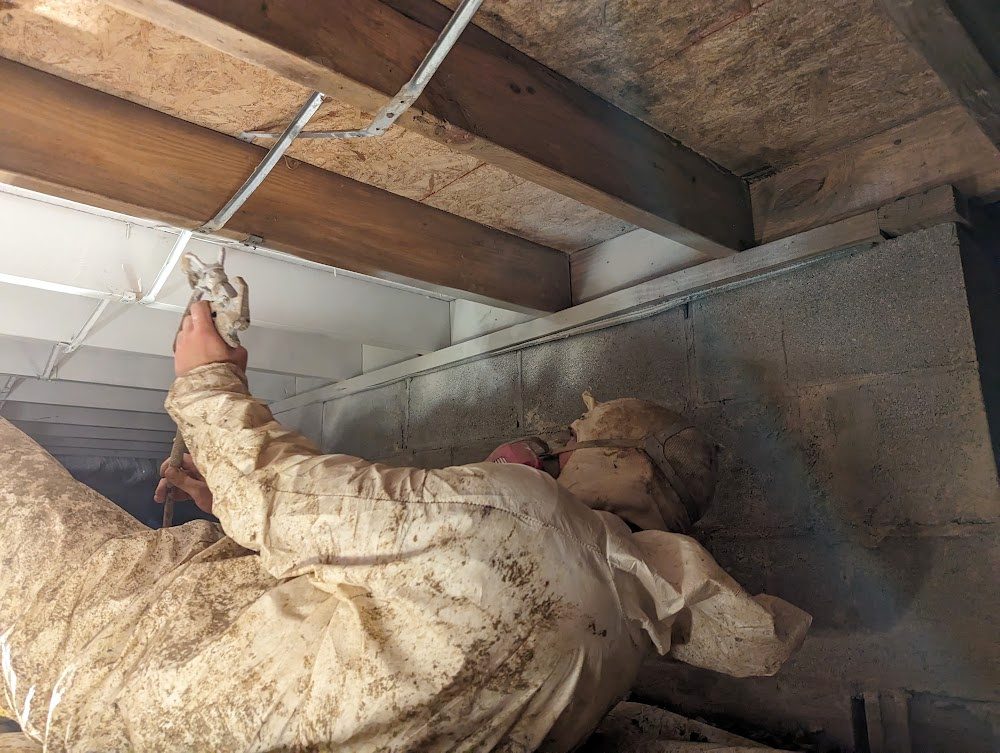
Mold in the crawl space: what to do
Mold under the house means moisture. What to do first, what proper crawl space mold remediation involves and how to keep it from coming back.
Read the articleQuestions
Asked about this
Still have a question? Call the office, Monday to Saturday, 9:00 AM to 5:00 PM.
What humidity means a crawl space needs work?
Above about 60 percent for long stretches. A day or two after a storm is normal; weeks at 65 percent is enough for mold to start on the joists.
Is a musty smell always the crawl space?
Not always, but if the smell is strongest near floor registers or in the lower part of the house, the source is often below.
Can I encapsulate if there is mold?
Yes, after the mold is treated. We treat it first, fix the moisture and then seal the space.
How long does encapsulation take?
Usually one to three days, depending on the size of the space and whether drainage, mold treatment or repairs come first.
Related services
What we do about it
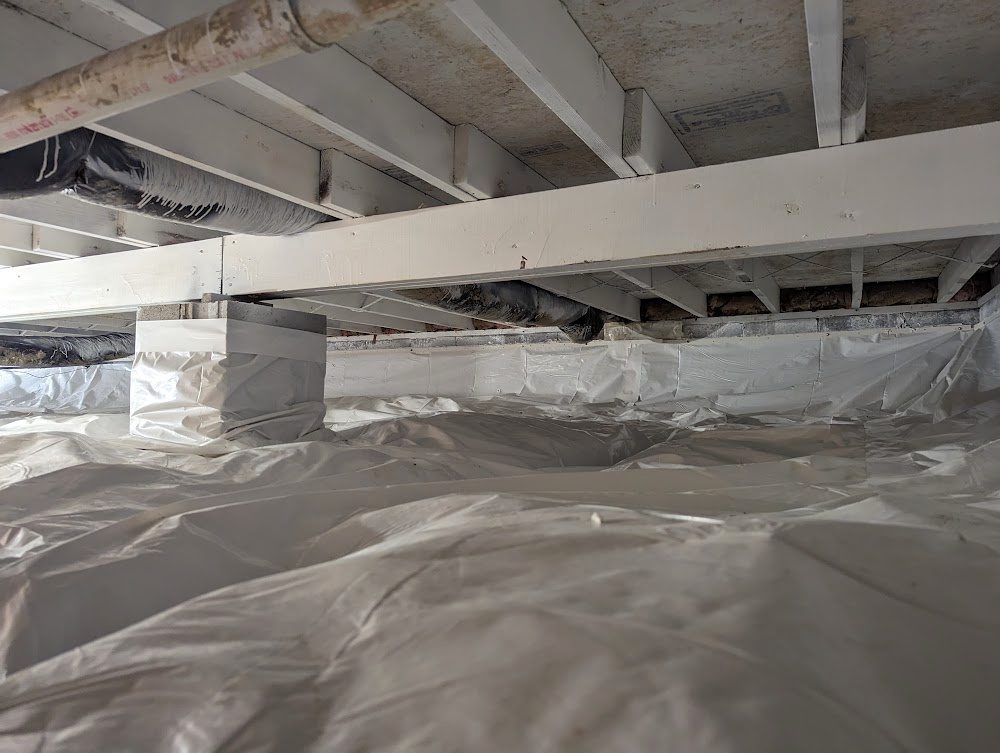
Crawl Space Encapsulation
Seal the crawl space off from ground moisture for good: liner, sealed vents, dehumidifier.
Learn more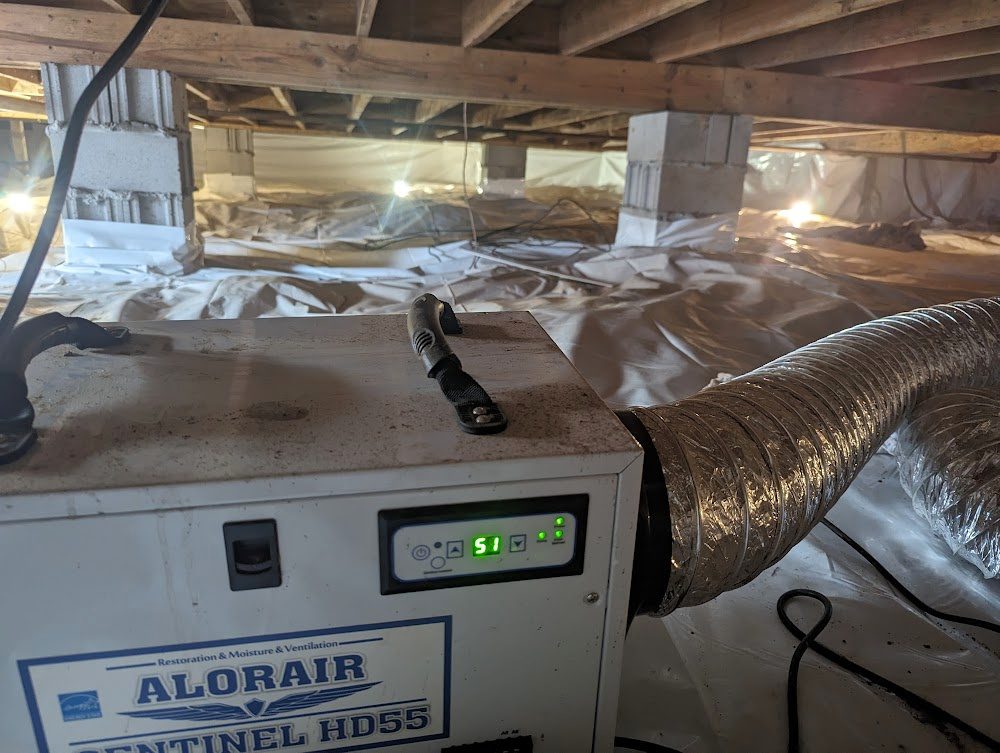
Crawl Space Dehumidifier Installation
Commercial-grade dehumidifiers sized to the space, installed and drained properly.
Learn more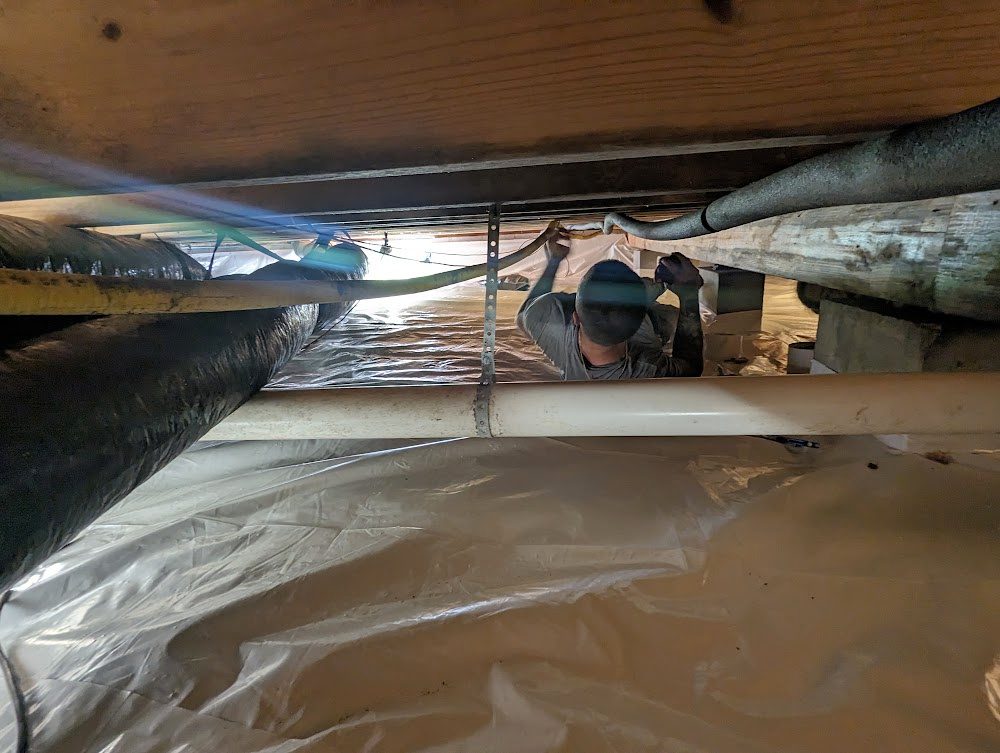
Mold Remediation
IICRC-certified removal, treatment and moisture control so the mold does not come back.
Learn moreFree estimate
Want a technician to look?
Tell us what you are seeing. A technician calls back during business hours and books a time to come out. Free, no obligation, written price.
- Photos and a plain explanation of the cause
- Written scope and price
- Lifetime transferable warranty on our work